
How Instagram Has Revolutionized the Fashion Landscape
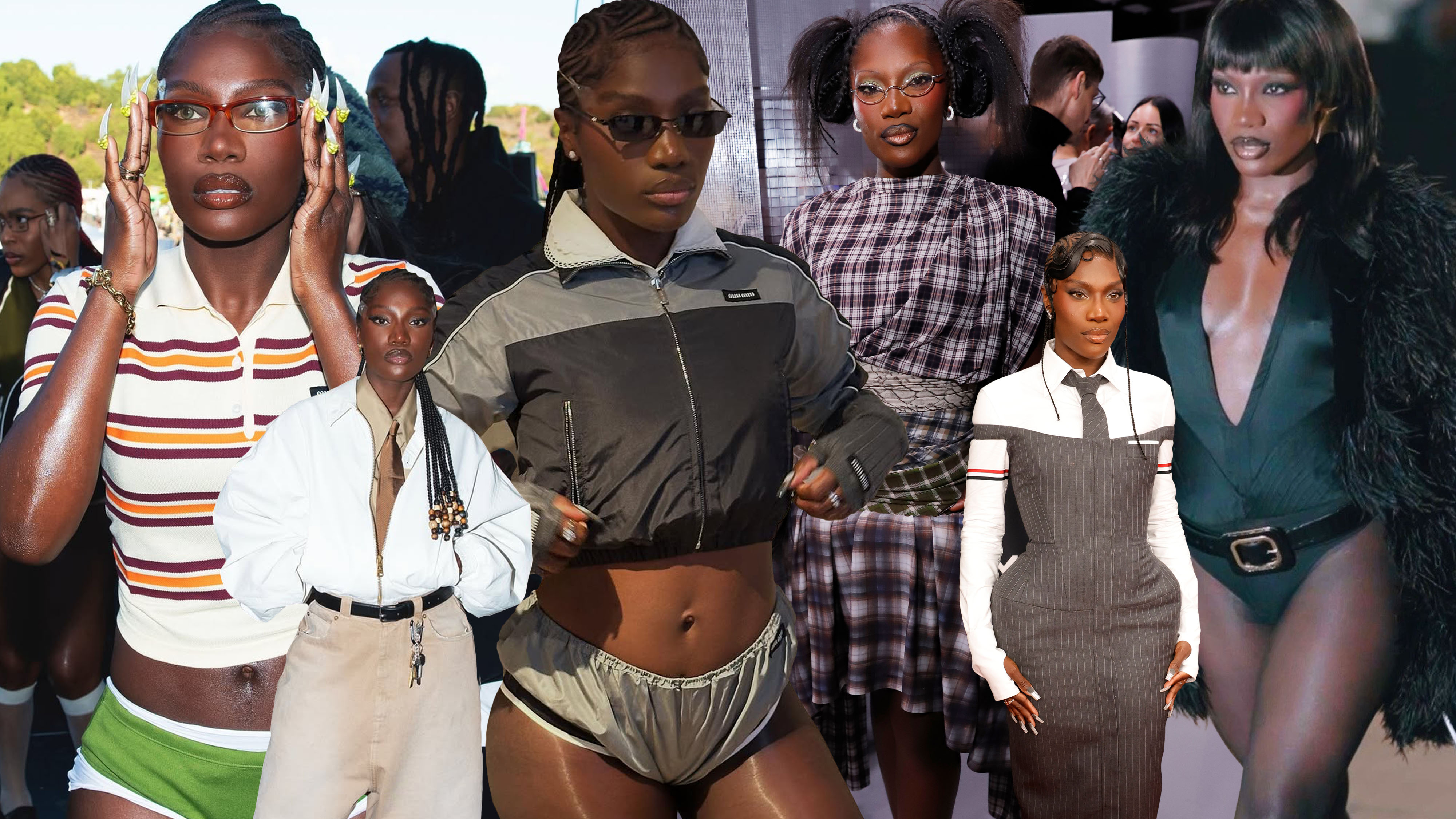
Instagram has evolved into a central hub within the fashion world, reshaping the interactions among brands, designers, and consumers; thanks to its visually oriented format, the platform enables fashion companies to present their creations dynamically and reach audiences worldwide, driving notable shifts in how trends arise, how consumer behavior is shaped, and how brands refine their marketing approaches.
Visual Storytelling and Branding
At the core of Instagram’s sway over the fashion world lies its ability to deliver powerful visual storytelling, offering a high‑resolution showcase perfectly suited to a visually driven industry. Fashion brands harness Instagram to shape a polished visual identity through carefully arranged feeds, forming a unified narrative that connects with their intended audience. By sharing vivid imagery and compelling captions, these brands express their values, aesthetic, and signature style while extending their reach across the globe. Fashion leaders such as Gucci and Chanel exemplify this mastery, drawing in millions of followers and building rich digital stories that keep their audience engaged every day.
Influencer Marketing: A Fashion Phenomenon
Instagram has given rise to the influencer marketing phenomenon, dramatically altering traditional advertising strategies within the fashion sector. Influencers, with their loyal followings, act as intermediaries between brands and consumers, providing authentic product endorsements. Brands often collaborate with influencers whose personal style aligns with their brand image, enabling them to reach a wider, yet targeted, audience. For instance, fashion brands frequently partner with influencers like Chiara Ferragni or Aimee Song, whose influence extends to millions, thus creating powerful word-of-mouth marketing dynamics.
Real-Time Consumer Engagement
One of Instagram’s significant contributions to fashion is its ability to facilitate real-time consumer engagement. The platform’s interactive features—such as Stories, IGTV, and Live—allow brands to engage with their audience dynamically. Fashion shows can be streamed live across the globe, breaking geographical barriers and democratizing access to once elitist events. For example, when Dior or Louis Vuitton launches a new collection, they often stream their runway shows live on Instagram, providing immediate access to fashions trends as they emerge on the catwalk.
User-Generated Content and Community Building
Instagram also plays a crucial role in fostering user-generated content, which drives greater consumer engagement. Consumers frequently share their styling choices and brand experiences through Instagram posts and stories, using brand-specific hashtags. This organic content acts as social proof, effectively influencing other potential consumers. Additionally, brands often create communities by encouraging followers to participate in hashtag challenges or by highlighting fan posts on their official pages, further strengthening their brand community.
Fashion Trends Shaped by Data Insights
The platform’s analytics tools offer unprecedented insights into consumer preferences and behavior. Fashion brands now have access to real-time data, which they can analyze to predict trends and adjust their strategies accordingly. By assessing engagement metrics, such as likes, comments, and shares, brands can discern what resonates with their audience, allowing for more informed decisions on product development and marketing tactics.
Transforming How Retail Is Experienced
Instagram is not just a marketing tool but also a burgeoning retail platform. The integration of shopping features allows users to shop directly within the app, seamlessly bridging the gap between discovery and purchase. Brands can now tag products in posts, enabling users to view product details and purchase effortlessly. This evolution has transformed Instagram into a comprehensive sales channel, driving significant traffic and sales for fashion brands.
In acknowledging Instagram’s influence on fashion, it becomes evident that the platform operates as far more than a space for simple social interaction, functioning instead as a dynamic intersection of marketing, retail innovation, and trend creation. As Instagram continues to transform, the fashion sector can seize the chance to leverage its full capabilities, shaping richer and more engaging experiences for consumers around the globe. The relationship between fashion and Instagram is poised to intensify, with each continually shaping the direction of the other within an ever-shifting digital environment.