
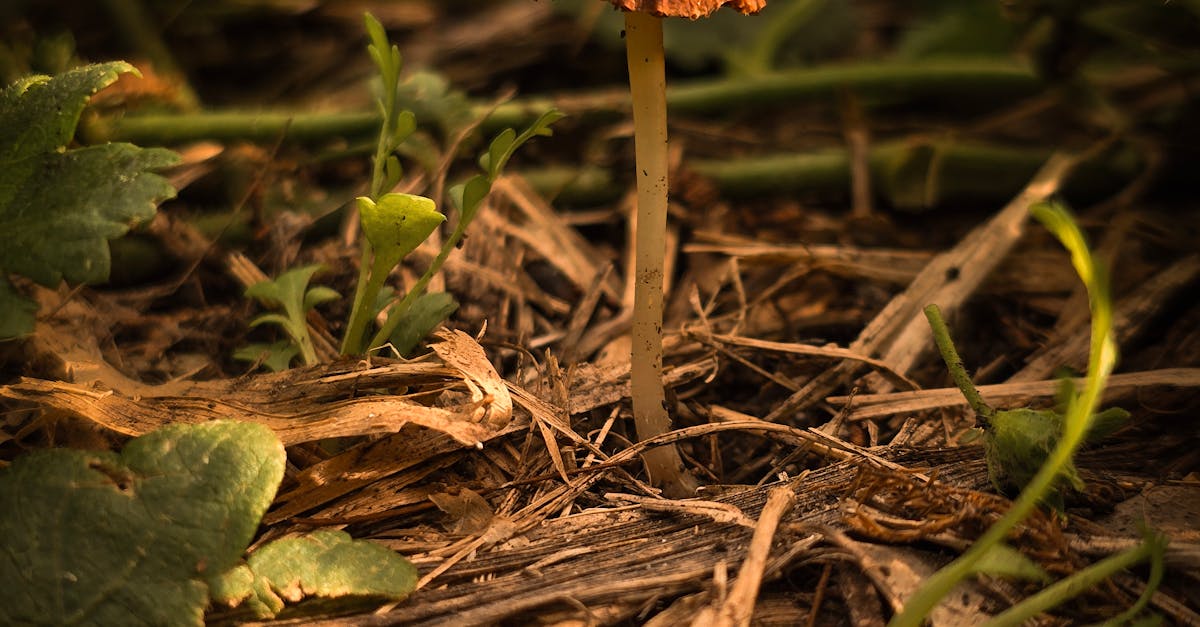
Dominica — often called the Caribbean’s “Nature Island” — combines steep, forested mountains, extensive freshwater systems, and a rich assemblage of endemic plants and animals. That landscape is both the foundation of its tourism economy and the front line of climate impacts: intense storms, landslides, coastal erosion and changing rainfall patterns. Hotels and resorts across Dominica are increasingly translating corporate social responsibility (CSR) into practical actions that strengthen climate resilience and conserve forests while sustaining community livelihoods and visitor experiences.
How hotels contribute to Dominica’s long-term resilience and forest conservation
- Economic leverage: Tourism serves as a key source of employment and a prominent outlet for local goods and services, and hotels can steer their expenditures toward sustainable regional suppliers and businesses focused on conservation.
- Landscape footprint: Hotel sites affect drainage patterns, slope integrity, coastal protection zones and wildlife corridors, and choices regarding landscaping, waste handling and water use influence both erosion and ecological diversity.
- Visibility and education: Hotels help shape what visitors expect, and their eco-conscious operations and interpretive activities encourage greater awareness and support for environmental stewardship.
- Funding and partnerships: These properties are capable of channeling guest contributions, corporate support and investor funding into initiatives that restore ecosystems and strengthen resilience.
Common CSR actions by Dominica hotels with concrete examples
- Reforestation and native tree planting: Hotels sponsor native species planting on degraded slopes and watersheds to reduce erosion and increase groundwater recharge. Smaller resorts and lodges run ongoing tree-planting campaigns tied to guest stays and staff volunteer days.
- Permaculture and sustainable landscaping: Eco-resorts maintain on-site permaculture gardens that reduce food miles, create organic compost from kitchen waste, and stabilize soils. Permaculture beds also serve as demonstration sites for community training.
- Coastal and mangrove restoration: Properties near estuaries support mangrove rehabilitation projects that protect shorelines from storm surge and provide nursery habitat for fisheries.
- Sea turtle and wildlife conservation partnerships: Coastal lodges collaborate with local conservation groups to monitor nesting beaches and reduce artificial light and shoreline disturbance, increasing nesting success for leatherback and hawksbill turtles.
- Renewable energy and energy efficiency: Hotels invest in solar PV, efficient HVAC, LED lighting and smart controls to lower emissions and energy costs, improving resilience when grids are disrupted after storms.
- Rainwater harvesting and water-saving systems: Rainwater capture and greywater recycling reduce pressure on watershed sources and maintain supply during droughts or infrastructure failures.
- Waste reduction and circular practices: Strategies include composting organic waste for gardens, plastic reduction, and partnerships to recycle or repurpose materials locally.
- Community livelihoods and skills development: CSR often funds vocational training in eco-guiding, trail maintenance, sustainable agriculture and hospitality, creating local employment and stewardship incentives.
- Scientific monitoring and citizen science: Hotels support biodiversity surveys, water-quality monitoring and bird counts that provide data for adaptive management of forests and watersheds.
Notable local examples and partnerships
- Small eco-resorts and lodges: Several boutique properties on the island operate with explicit conservation missions — integrating permaculture, solar energy and volunteer restoration work into guest offerings, and partnering with community groups for turtle monitoring and reforestation.
- Collaborations with NGOs and government bodies: Hotels frequently work with the Environmental Coordinating Unit, the Dominica Conservation Association and international NGOs to align projects with national priorities such as the Climate Resilience Execution Agency for Dominica (CREAD) and the country’s resilience planning.
- Trail and park support: Properties near the Waitukubuli National Trail and Morne Trois Pitons National Park support trail maintenance, guided interpretation, and infrastructure that channels visitor use away from sensitive habitats.
Funding frameworks and incentive schemes
- Guest-supported funding: Voluntary contributions at check-out, fee-based conservation experiences, and adopt-a-tree programs turn visitor interest into project finance.
- Carbon finance and offsets: Some hotels invest in or host reforestation and mangrove projects that can generate voluntary carbon credits, provided robust measurement, reporting and verification systems are in place.
- Public-private grants: Partnerships with national agencies and international donors (multilateral climate funds, foundations) help cover upfront costs for renewable energy, green infrastructure and large-scale restoration.
- Payment for ecosystem services (PES): Emerging PES schemes can reward upland landowners and community groups for watershed stewardship that benefits downstream tourism infrastructure.
Measuring impact: indicators hotels should track
- Hectares of native forest restored or conserved
- Number of native trees planted and survival rate after 1–3 years
- Reduction in energy use and fossil fuel consumption (kWh and CO2 equivalent)
- Volume of water saved through rainwater harvesting and efficiency (liters)
- Reduction in solid waste sent to landfill and amount composted or recycled
- Counts of nesting sea turtles or increases in local wildlife sightings linked to restored habitat
- Jobs created and hours of community training delivered
- Visitor engagement metrics: participation in conservation programs and guest donations
Obstacles and the ways hotels address them
- Financing and up-front costs: Adopt staged capital allocation, incorporate blended finance, and rely on guest-driven contributions to distribute expenses and validate feasibility.
- Land tenure and scale: Collaborate through community accords and land trust frameworks to guarantee spaces dedicated to reforestation and conservation that extend past hotel boundaries.
- Monitoring and credibility: Engage with research bodies or accredited auditors to ensure clear, reliable assessment and disclosure that mitigates the risk of greenwashing.
- Climate uncertainty and extreme events: Shape restoration plans around species and methods capable of withstanding shifting rainfall patterns and stronger storms, emphasizing native plants with deep roots to reinforce slopes.
- Balancing guest experience with protection: Implement zoned layouts that guide visitors along low-impact paths, boardwalks, and educational centers while safeguarding essential conservation areas.
Scalable strategies for greater island-wide impact
- Hotel networks for conservation: Create island-wide coalitions where multiple properties pool funds and expertise to finance large-scale watershed restoration or mangrove corridors.
- Certification and market differentiation: Adopt recognized sustainability standards (EarthCheck, Green Globe, or bespoke local accreditation) to attract climate-conscious travelers and premium rates that fund ongoing conservation.
- Supply-chain greening: Shift procurement toward sustainably produced local goods (timber alternatives, organic produce, sustainably harvested seafood) to reduce pressure on forests and coastal systems.
- Policy alignment: Coordinate CSR investments with national resilience plans and protected-area management to amplify outcomes and access public co-financing.
SEO insights and communication strategies for hotels highlighting their CSR achievements
- Primary keywords: Dominica hotel CSR, climate resilience Dominica, forest conservation Dominica, eco-friendly hotels Dominica.
- Secondary keywords: reforestation Dominica, mangrove restoration, sustainable tourism Dominica, community conservation projects.
- Suggested meta description (under 160 characters): Highlighting Dominica’s climate resilience efforts and forest preservation, showing how hotels translate CSR into hands-on restoration, community employment, and guest learning.
- Image alt text examples: “team members planting native tree varieties for a Dominica watershed rehabilitation initiative” or “eco-resort equipped with solar arrays and a thriving permaculture garden in Dominica.”
- Incorporate case studies, local testimonials, and trackable results across hotel sites and press communications to strengthen authority and enhance search performance.
A practical checklist for a hotel’s CSR initiative centered on resilience and forest stewardship
- Map hotel environmental footprint and identify vulnerable assets
- Set clear, time-bound targets for tree planting, energy reduction and waste diversion
- Choose native species and erosion-control techniques for restoration
- Formalize partnerships with local NGOs, government agencies and research groups
- Develop guest-facing programs that fund and explain conservation work
- Implement transparent monitoring and publish annual impact reports
- Train staff and local contractors in resilience-focused maintenance and conservation
Reflecting on Dominica’s journey, hotel CSR that deliberately intertwines conservation, community, and climate resilience becomes far more than a marketing statement; it evolves into a unified strategy that lowers physical vulnerability, revitalizes the island’s natural systems, and supports the tourism-driven economy. By integrating native reforestation, nature‑based coastal protection, renewable energy, and community‑guided stewardship — and by tracking and sharing outcomes — hotels help turn recovery from previous storms into a forward‑looking investment in a stronger, forest‑rich future for Dominica.