
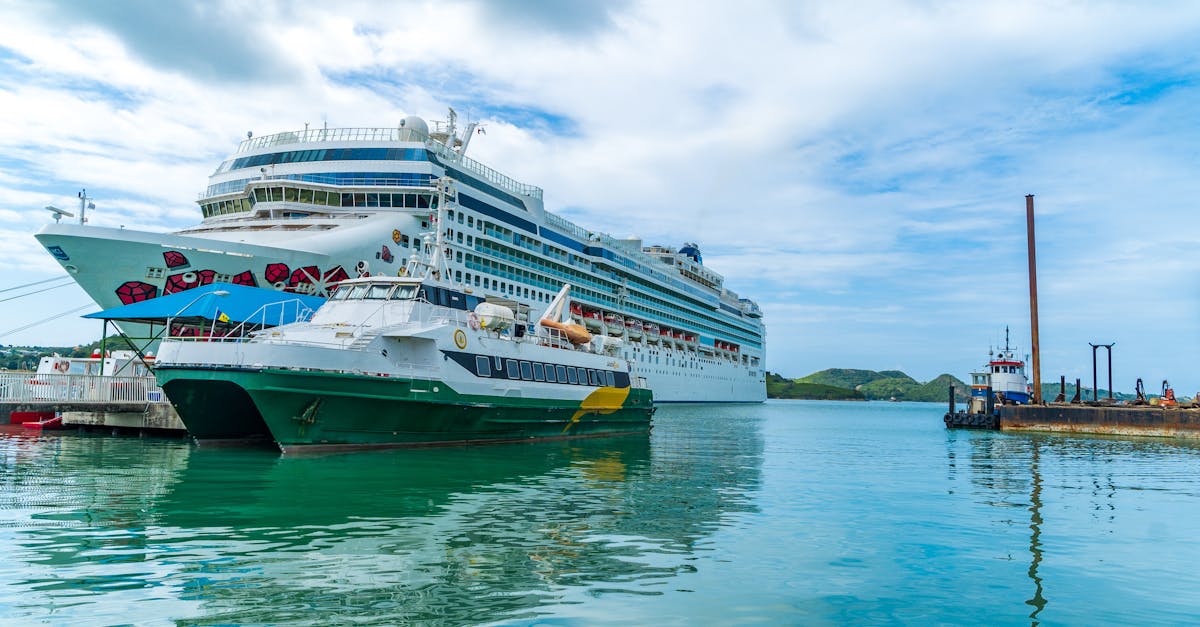
Antigua and Barbuda is a small island state whose economy and community well-being are tightly linked to the health of nearshore coral reefs. Reefs supply fish for local food security, protect shorelines from storm surge and erosion, and underpin major tourism activities such as snorkeling and diving. Hotels that invest in corporate social responsibility (CSR) programs to protect reefs while promoting stable local employment do more than improve their environmental footprint: they safeguard the core assets that sustain visitor demand and community resilience.
Primary dangers facing reefs and the tourism workforce
- Climate stress: heat‑driven coral bleaching along with increasingly powerful storms.
- Local pollution: inadequately treated wastewater, contaminated stormwater flows, and accumulating solid debris that elevate nutrient loads and microbial risks.
- Physical damage: anchor-related scarring, snorkeler trampling, and shoreline construction that encroaches too closely on the reef zone.
- Resource pressure: excessive fishing and harmful gear types that deplete fish stocks and weaken overall reef stability.
- Seasonality and skills gaps: tourism positions that tend to be seasonal, modestly compensated, or lacking advancement opportunities, driving higher turnover and economic outflow.
How hotel CSR initiatives can help lessen risks to coral reefs
Hotels can target the local drivers of reef decline through operational upgrades, guest management, and partnership-based conservation actions. Key interventions include:
- Wastewater and stormwater controls: upgrade to tertiary treatment or constructed wetlands; divert and treat runoff; maintain septic systems to prevent nutrient loading.
- Mooring and anchoring solutions: install permanent moorings for dive and snorkel boats to prevent anchor damage in high-use reef zones.
- Solid-waste and plastics reduction: eliminate single-use plastics, run on-site recycling and composting, and partner with islands’ waste-management initiatives.
- Guest education and behavior management: provide reef-safe sunscreen options, pre-activity briefings for snorkelers and divers, designated swim/snorkel trails, and signage to discourage touching or feeding marine life.
- Energy and emissions reductions: adopt energy efficiency and renewable energy to lower the property’s contribution to warming that drives bleaching.
- Coral restoration and monitoring: support coral nurseries, outplanting, and regular reef health surveys using standardized protocols such as Reef Check or other coral-monitoring methods.
How hotel CSR fosters steady employment within local communities
A CSR approach that ties environmental protection to workforce development produces durable benefits for communities and hotels alike:
- Local hiring and career pathways: establish recruitment goals for residents in adjacent communities, shift seasonal work into stable year-round roles, and offer clear advancement routes (from front desk to supervisor to manager).
- Skills training and certification: provide funding for hospitality instruction, PADI dive‑guide and reef‑monitoring credentials, along with small‑business development programs for local vendors.
- Local procurement and supply-chain development: give precedence to locally sourced food, building materials, and services to amplify tourism’s economic impact while curbing dependence on imports.
- Alternative livelihoods for fishers: assist in shifting toward reef‑safe income streams such as guided snorkeling or diving, boat upkeep, eco‑tour guiding, and value‑added processing of responsibly harvested fish.
- Employee welfare and retention: adopt living‑wage standards, equitable scheduling, comprehensive benefits, and employee‑owned cooperative models to lower turnover and preserve organizational expertise in sustainable resource practices.
Case-based illustrations and collaborative frameworks
- Collaborative reef protection: hotels help fund mooring buoys and participate in government or NGO-driven marine protected area (MPA) management, establishing no-anchoring zones near high-traffic visitor spots. This approach lessens direct reef impact while structuring access for dive operators.
- Coral nursery and citizen science: hotel guests can assist in planting coral fragments cultivated in nurseries supported by the hotels; ongoing reef assessments are performed by trained local teams, backed by international initiatives such as Reef Check, producing data that informs adaptive conservation decisions.
- Local procurement programs: hotels create supply agreements with fisher cooperatives that comply with size and catch-method guidelines; these contracts incorporate capacity-building contributions that promote sustainable techniques and provide steady, year-round market demand.
- Workforce development partnerships: hotels collaborate with national tourism agencies, vocational institutions, and NGOs to deliver internships, bilingual courses, and hospitality scholarships aimed at residents living near resort areas.
Measuring impact: practical KPIs
Hotels and their partners are encouraged to monitor a combination of ecological and socio-economic metrics to evaluate CSR results:
- Ecological: frequency of reef surveys, coral cover and coral recruitment rates, fish biomass indices, number of anchor scars documented, water-quality parameters (nutrients, fecal indicators).
- Operational: percentage of wastewater treated to tertiary standard, number of moorings installed, reductions in single-use plastic volumes, onsite renewable energy generation.
- Social/economic: percent of staff hired locally, staff turnover rate, percent of procurement spend sourced from local suppliers, number of trainees certified, average wage relative to local living-wage benchmarks.
- Guest engagement: number of guests participating in conservation activities, guest satisfaction scores tied to nature-based offerings.
Financing and policy levers
Financing mechanisms and supportive policy amplify hotel CSR:
- Tourism environmental fees: a small per-guest conservation charge can steadily fund reef stewardship, supported by accountable management that includes hotel participation.
- Public-private partnerships: pair hotel capital with government support or donor contributions to expand wastewater systems or reef recovery projects.
- Certification and market incentives: engage in reputable sustainability certification programs to appeal to eco-aware visitors and secure premium rates that help sustain CSR initiatives.
- Regulatory alignment: integrate coastal buffer rules, uphold vessel compliance measures, and establish MPAs with defined no-anchoring areas to safeguard reefs near hotel properties.
Difficulties and necessary compromises
Programs that integrate reef protection and local employment face challenges that must be managed:
- Upfront costs: establishing infrastructure like tertiary wastewater treatment systems and mooring fields demands significant investment and specialized technical knowledge.
- Capacity limits: scaling local training efforts and institutional capabilities is essential to implement and maintain these initiatives effectively.
- Monitoring needs: tracking ecological shifts calls for reliable baseline information and long-term observation to prevent attributing results to brief or isolated actions.
- Equity and governance: ensuring advantages are shared equitably is crucial so that existing disparities are not deepened and local dependence on a small number of employers is avoided.
Practical road map for hotels in Antigua and Barbuda
- Conduct a rapid coastal and socio-economic assessment to identify the highest-risk reef sites and local communities dependent on tourism.
- Prioritize no-regret investments: wastewater improvements, mooring buoys in high-use areas, guest education and single-use plastic elimination.
- Form long-term partnerships with local NGOs, the Department of Marine Resources, tourism authorities, and fisher cooperatives to align actions and share costs.
- Design local employment pathways that convert seasonal jobs to stable careers via apprenticeships, certification, and local procurement contracts.
- Implement a monitoring dashboard linking ecological indicators to social and financial KPIs, and publish annual progress to build trust with stakeholders.
Hotels that integrate reef protection with stable local employment are investing in both natural capital and human capital. When well designed and transparently governed, these CSR programs reduce environmental risk, enhance guest experiences, retain tourism revenue in communities, and build a more resilient local economy—outcomes that are mutually reinforcing and essential for the long-term sustainability of Antigua and Barbuda’s tourism-dependent future.