
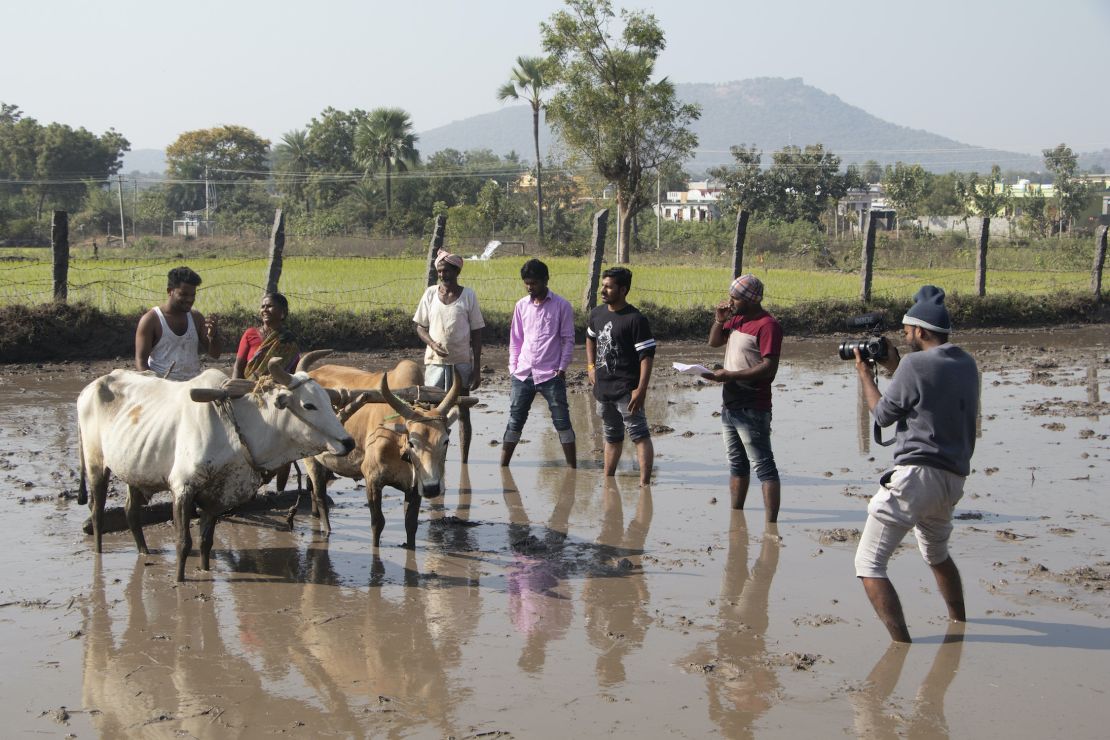
In a serene area of central India is Tulsi, a village similar to many others, featuring simple single-story houses, banyan trees offering shaded spots for gatherings, and roads that are only partially paved. However, Tulsi distinguishes itself with a notable reputation; it has been dubbed India’s “YouTube Village.” What makes this countryside community near Raipur in the state of Chhattisgarh remarkable is the extraordinary number of its residents—more than 1,000 out of its 4,000 populace—engaged in producing content for YouTube.
Since 2018, the village has experienced a remarkable shift as social media started becoming an integral part of daily life. Nowadays, in Tulsi, YouTube serves as more than just a medium of entertainment; it acts as a catalyst for economic progress, social change, and the embrace of technology. The locals now view the platform as a tool to connect rural and urban lifestyles, providing opportunities that were once unthinkable in this farming community.
The emergence of Tulsi’s YouTube transformation
The rise of Tulsi’s YouTube revolution
. Feeling discontent with their ordinary everyday lives, the pair looked for a creative way to express themselves. Their third video, a satirical portrayal of a young couple being troubled on Valentine’s Day, rapidly gained popularity. By blending humor with social critique, the video resonated with viewers, amassing tens of thousands of subscribers for the channel within just a few months.
. Unsatisfied with their mundane daily routines, the duo sought a creative outlet to express themselves. Their third video, a satirical take on a young couple being harassed on Valentine’s Day, quickly went viral. Mixing humor with social commentary, the video struck a chord with audiences, earning tens of thousands of followers for the channel in just a few months.
From Farmlands to Filming Locations
Al recorrer Tulsi hoy en día, es difícil encontrar a alguien que no haya participado en una producción de YouTube. Los agricultores interrumpen su labor en los campos para formar parte de los videos, mientras jóvenes creadores coreografían rutinas de baile o realizan parodias bajo los banianos del pueblo. Para muchos, YouTube se ha transformado en una puerta hacia nuevas posibilidades.
Among the most notable success stories is that of 27-year-old Pinky Sahoo. Raised in a traditional setting where acting was discouraged, Sahoo worried that her aspirations of becoming a dancer and actress would never be realized. However, after being noticed by the creators of Being Chhattisgarhiya
One of the most prominent success stories is 27-year-old Pinky Sahoo. Growing up in a conservative environment where acting was frowned upon, Sahoo feared her dreams of becoming a dancer and actress would remain unfulfilled. However, after being discovered by the creators of Being Chhattisgarhiya
Meanwhile, young individuals like Aditya Bhagel have established careers behind the camera. Motivated by Varma and Shukla, Bhagel started his own YouTube channel while he was still in college and soon attracted a dedicated audience. His achievements secured him a position on the Being Chhattisgarhiya
team, where he refined his abilities as a writer and director. Currently, Bhagel is preparing to contribute to a high-budget regional film, achieving a dream he once considered beyond reach.
Enabling Women via Social Media
Empowering women through social media
Draupadi Vaishnu, una exjefa del pueblo, considera que los videos producidos en Tulsi desempeñan un papel crucial al desafiar normas sociales arraigadas. A menudo aparece en videos que abordan temas como el abuso doméstico y la desigualdad de género. “Estos videos ayudan a romper ciclos de prácticas dañinas,” explica Vaishnu. En un papel memorable, interpretó a una suegra que apoya a su nuera para que continúe con estudios superiores, enviando un mensaje contundente sobre la importancia del empoderamiento femenino.
Draupadi Vaishnu, a former village head, believes the videos produced in Tulsi play a crucial role in challenging entrenched social norms. She often appears in videos that address issues like domestic abuse and gender inequality. “These videos help break cycles of harmful practices,” Vaishnu explains. In one memorable role, she portrayed a supportive mother-in-law encouraging her daughter-in-law to pursue higher education, sending a powerful message about the importance of women’s empowerment.
Para Ramkali Varma, ama de casa, actuar en videos de YouTube se ha convertido en una fuente de realización personal. Reconocida por interpretar a madres cariñosas, se ha convertido en una de las actrices más solicitadas del pueblo. “A través de mis roles, puedo abogar por la educación y el éxito de las mujeres. Actuar me brinda tranquilidad,” afirma.
Official Backing and a Modern Studio
The achievements of Tulsi’s YouTubers have captured attention. In 2023, the state government set up a contemporary production studio in the village to assist content creators. This initiative was led by Sarveshwar Bhure, a senior government official who saw the promise in Tulsi’s digital evolution.
“We aimed to connect rural and urban life by offering technological resources,” Bhure explains. The studio has not only improved the quality of local productions but has also encouraged more villagers to consider content creation as a feasible career path.
Las implicaciones más amplias del éxito de Tulsi
Tulsi’s emergence as a YouTube center illustrates the broader influence of digital platforms on rural areas. By linking creators with international audiences, YouTube has become a significant means for economic and social transformation. For numerous individuals in Tulsi, it has offered a means to transcend traditional restrictions and explore new opportunities.
El profesor Shriram Venkatraman del Instituto Indio de Tecnología señala que plataformas como YouTube han generado una nueva ola de emprendedores rurales. “Algunos incluso inician otros negocios utilizando sus suscriptores como su base inicial de clientes,” comenta, mencionando ejemplos como aldeanos que venden especias caseras o productos para el cuidado del cabello.
No obstante, el éxito de los creadores de Tulsi va más allá del dinero. Para algunos, como el rapero Rajesh Diwar, YouTube es un medio de expresión cultural. Diwar espera popularizar el rap en su lengua regional, introduciendo un sonido nuevo en la zona. “Quiero que Tulsi sea conocida tanto por su música como por sus videos,” afirma.
However, the success of Tulsi’s creators is about more than just money. For some, like rapper Rajesh Diwar, YouTube is a means of cultural expression. Diwar hopes to popularize rap in his regional language, bringing a fresh sound to the area. “I want to make Tulsi known for its music as much as its videos,” he says.
A model for the future
As YouTube celebrates its 20th anniversary, Tulsi stands as a testament to the platform’s transformative power. What began as a creative experiment by a few individuals has grown into a community-wide movement, reshaping the lives of thousands.
For young women like Pinky Sahoo, YouTube has turned dreams of acting into reality. For community leaders like Draupadi Vaishnu, it has provided a platform to promote equality and social change. And for villagers like Ramkali Varma, it has brought a sense of pride and purpose.
Tulsi’s story is a reminder that technology, when embraced thoughtfully, can empower even the most remote communities. By leveraging the global reach of platforms like YouTube, villages like Tulsi are not just participating in the digital age—they are shaping it.