
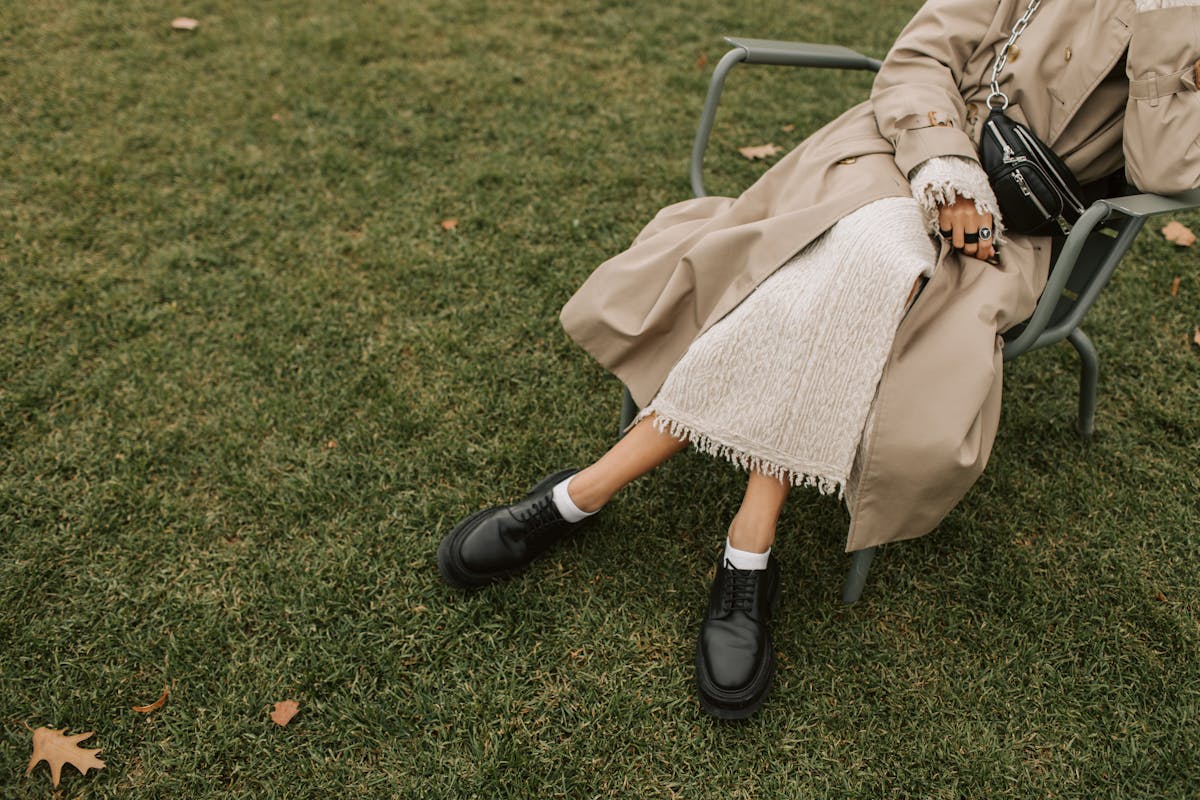
The monochrome look has surged across the fashion world, blending ease and refinement by focusing on outfits built around a single color. This trend centers on assembling garments in different shades, tones, or tints of one hue to achieve a unified and visually balanced ensemble. Whether seen on runways or in everyday street style, the monochrome aesthetic consistently demonstrates its versatility and enduring appeal. Yet what truly characterizes a monochrome outfit, and why has it evolved into such a defining element of contemporary fashion?
The Concept of Monochrome Fashion
At its core, the monochrome look involves selecting one base color and exploring its spectrum. Monochrome is derived from the Greek words ‘mono’, meaning ‘one’, and ‘chroma’, meaning ‘color’. This approach can range from the extreme of using the exact same shade throughout your ensemble to subtly transitioning between lighter and darker variations of the color. The result is an understated yet striking visual impact that emphasizes elegance and sophistication.
Why Monochrome Works
There are many factors that make monochrome dressing so impactful, beginning with how it streamlines outfit creation by removing the challenge of coordinating multiple shades, a task that can feel overwhelming, and resulting in a look that generally seems more refined and seamlessly composed with very little effort.
Additionally, using a consistent color palette can visually lengthen the figure, turning it into a go‑to styling trick for many fashion enthusiasts. When the sharp contrasts of differing tones are removed, a monochromatic outfit can create the impression of added height and a more refined, continuous silhouette.
Monochrome at Work: Real-World Case Studies
While surveying how monochrome looks appear across different settings, it becomes evident that this trend resonates widely:
1. Celebrity Influence: Numerous celebrities, including style icons like Victoria Beckham and Kanye West, have frequently been spotted embracing monochrome outfits. Their ability to consistently pull off this trend with grace inspires fashion followers worldwide to emulate their looks.
2. Runway to Reality: Many designers have showcased monochrome collections during fashion weeks, illustrating its versatility. Chanel’s classic black and white ensembles, for example, embody the timeless essence of the monochrome aesthetic.
3. Street Style: Bloggers and influencers frequently embrace monochrome looks for their simplicity and visual punch, sharing inspiration across platforms like Instagram and Pinterest. These influencers showcase effective ways to blend varied textures and materials, preserving visual appeal without depending on contrasting colors.
Tips for Mastering the Monochrome Look
To successfully adopt the monochrome style, consider the following guidelines:
1. Play with Textures: Incorporate different materials to add depth and interest. Silk, wool, leather, and denim can introduce subtle variations without breaking the color uniformity.
2. Accessorize Wisely: Accessories can play a crucial role. Jewelry, hats, and bags in complementary tones can enhance the outfit without overpowering it.
3. Mind the Tones: Blending multiple shades within the same color family introduces depth to any ensemble, so opt for a harmonious mix of hues that flow across different tones to achieve a richly layered effect.
Understanding the Psychological Appeal of Monochrome Selections
Different colors evoke particular psychological effects. By choosing a single color, one can intentionally convey certain messages or emotions. For instance, an all-blue outfit might project calmness and trust, while a head-to-toe red look could communicate passion and energy.
As the monochrome look continues to evolve, its adaptability endures. It aligns effortlessly with minimalist trends, yet has the flexibility to integrate into more eclectic styles. The monochrome look transcends time and place, embodying a unique fusion of simplicity and sophistication that continues to resonate across cultures and generations.