
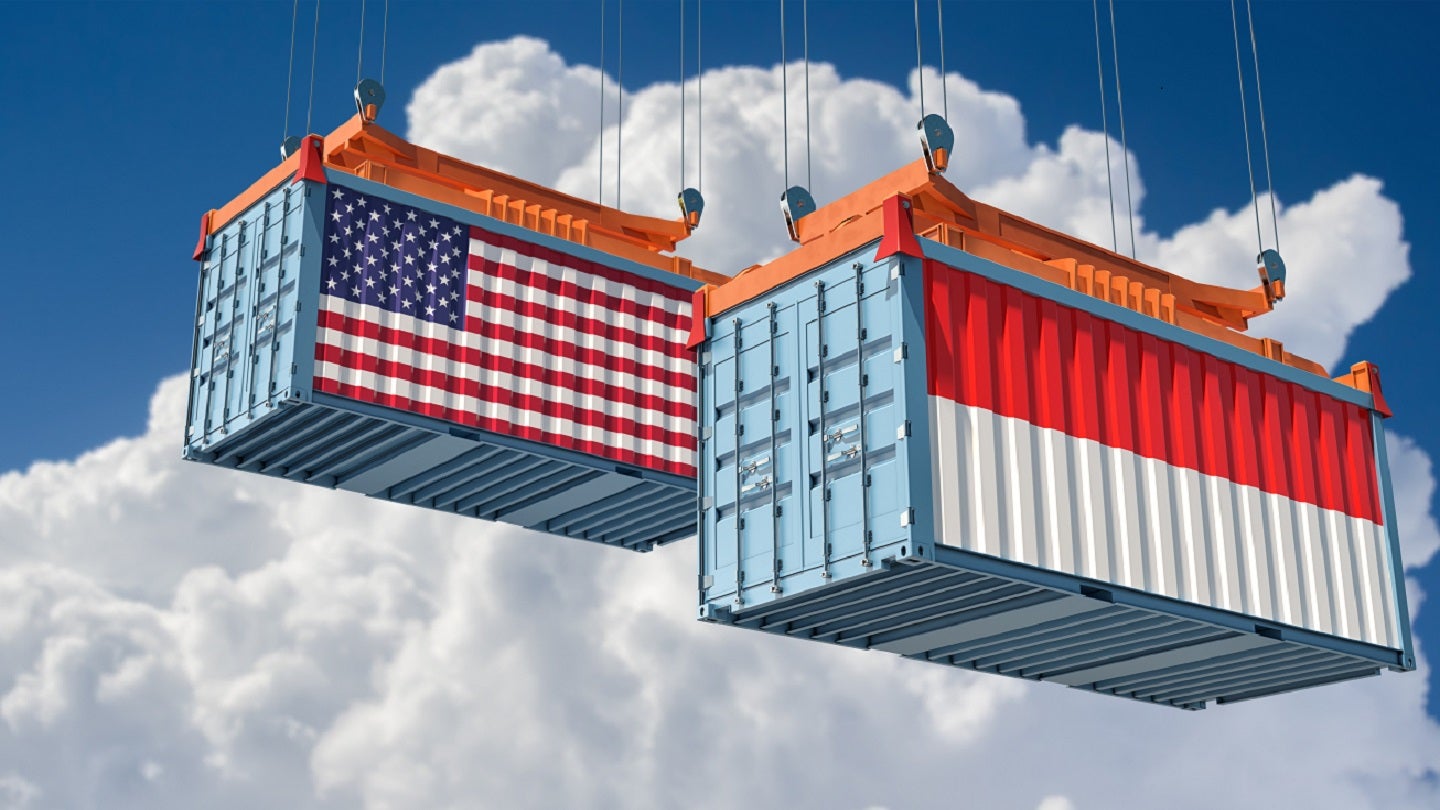
The United States and Indonesia have concluded a significant trade agreement that addresses longstanding concerns over tariffs, signaling a new chapter in their bilateral economic relationship. This deal, reached after months of negotiations, is seen as a strategic move to reinforce trade cooperation while resolving specific frictions that had affected the flow of goods between the two countries.
At the core of the agreement is a mutual understanding to eliminate or reduce certain tariffs that had become points of contention in recent years. For the United States, the concern centered around restricted market access and high import duties that limited the competitiveness of American exports in the Indonesian market. For Indonesia, retaliatory measures and trade pressures raised concerns about potential economic instability and reduced access to essential goods.
By addressing these matters through a negotiated resolution, both administrations have shown their dedication to equitable trade principles and reciprocal gain. The latest structure endeavors to establish a more equilibrated trade setting, enabling smoother trade of products and services and fostering openness in tariff-related regulations.
Representatives from both nations referred to the pact as a “positive advancement” that enhances their enduring economic relationship. While detailed tariff categories impacted by the agreement were not completely revealed in the initial press releases, trade experts anticipate that the deal will encompass a variety of industries, such as agricultural items, manufactured products, and raw materials. These sectors had earlier faced tariff increases or non-tariff restrictions, which had hindered growth opportunities for businesses from both countries.
The agreement arises amid a period when the international trade landscape is encountering unpredictability because of evolving partnerships, regional economic strategies, and interruptions in supply chains. In this context, the joint effort of the United States and Indonesia to find common ground highlights the critical role of conversation and diplomatic efforts in sustaining trade equilibrium.
Indonesia, the largest economy in Southeast Asia, has increasingly positioned itself as a vital partner in global trade. Its abundant natural resources, growing middle class, and strategic geographic location make it an important hub for trade and investment. For the United States, maintaining strong trade relations with Indonesia supports broader objectives in the Indo-Pacific region, including economic resilience and strategic diversification.
The finalization of this tariff deal is anticipated to enhance investor trust, particularly for businesses aiming to grow their activities in Southeast Asia. Typically, diminished trade obstacles result in decreased expenses, better efficiency, and heightened competitiveness for exporters. In this scenario, U.S. firms in fields such as agriculture, technology, and energy could experience real advantages from better entry into the Indonesian market.
From Indonesia’s perspective, the resolution also allows for greater economic flexibility. Easing tensions with a key global economy like the United States can help attract foreign investment and strengthen domestic industries that rely on imported machinery, components, or raw materials. The government has framed the agreement as a step toward economic modernization and integration with global trade standards.
Beyond the financial effects, the deal also holds political importance. Commercial interactions frequently mirror wider diplomatic connections, and resolving contentious matters successfully can lay the groundwork for enhanced collaboration in sectors such as infrastructure growth, environmental strategies, and local safety. Within this framework, this agreement has the potential to facilitate increased bilateral activities beyond commerce.
Observers have also noted that this deal could serve as a model for resolving similar disputes elsewhere. With protectionist sentiment still present in some parts of the world, successful bilateral resolutions like this demonstrate the potential of diplomacy over confrontation. By addressing issues proactively, both countries avoided escalation and preserved a working relationship that supports long-term economic collaboration.
The reaction from the private industry has been cautiously hopeful. Trade groups in the two nations have expressed approval of the announcement, urging quick execution and detail clarification regarding the accord. They also highlighted the importance of continued discussions to maintain commerce that is just, clear, and beneficial for both sides. Numerous firms are currently assessing the effect of the new tariff arrangements on their supply chains, pricing plans, and export potential.
While the agreement is largely being viewed as a win-win outcome, experts stress that its success will depend on implementation and monitoring. Ensuring that the agreed-upon changes are enforced consistently will be crucial to maintaining trust between the two trading partners. Both governments are expected to establish mechanisms to track compliance and resolve future disputes promptly.
The timing of the deal may also have broader implications for each country’s domestic economic agenda. In the United States, trade remains a focal point in debates over job creation, manufacturing revitalization, and international competitiveness. Demonstrating progress in resolving trade tensions supports narratives around economic stability and global leadership. In Indonesia, the deal aligns with the government’s goals to boost exports, attract foreign capital, and strengthen its presence in global supply chains.
For global markets, agreements like this offer reassurance that economic cooperation is still achievable in an increasingly fragmented landscape. While multilateral trade talks often face political and logistical hurdles, bilateral negotiations can produce timely, targeted solutions that address specific issues. The success of the US-Indonesia tariff resolution may encourage other countries to pursue similar paths toward trade normalization.
The recent tariff agreement between the United States and Indonesia reflects a pragmatic approach to resolving economic differences. It marks an important step toward reinforcing bilateral trade ties, supporting business interests, and promoting regional stability. As both countries move forward with implementation, the deal stands as a reminder that diplomacy and mutual respect remain essential tools in the pursuit of sustainable global trade.