
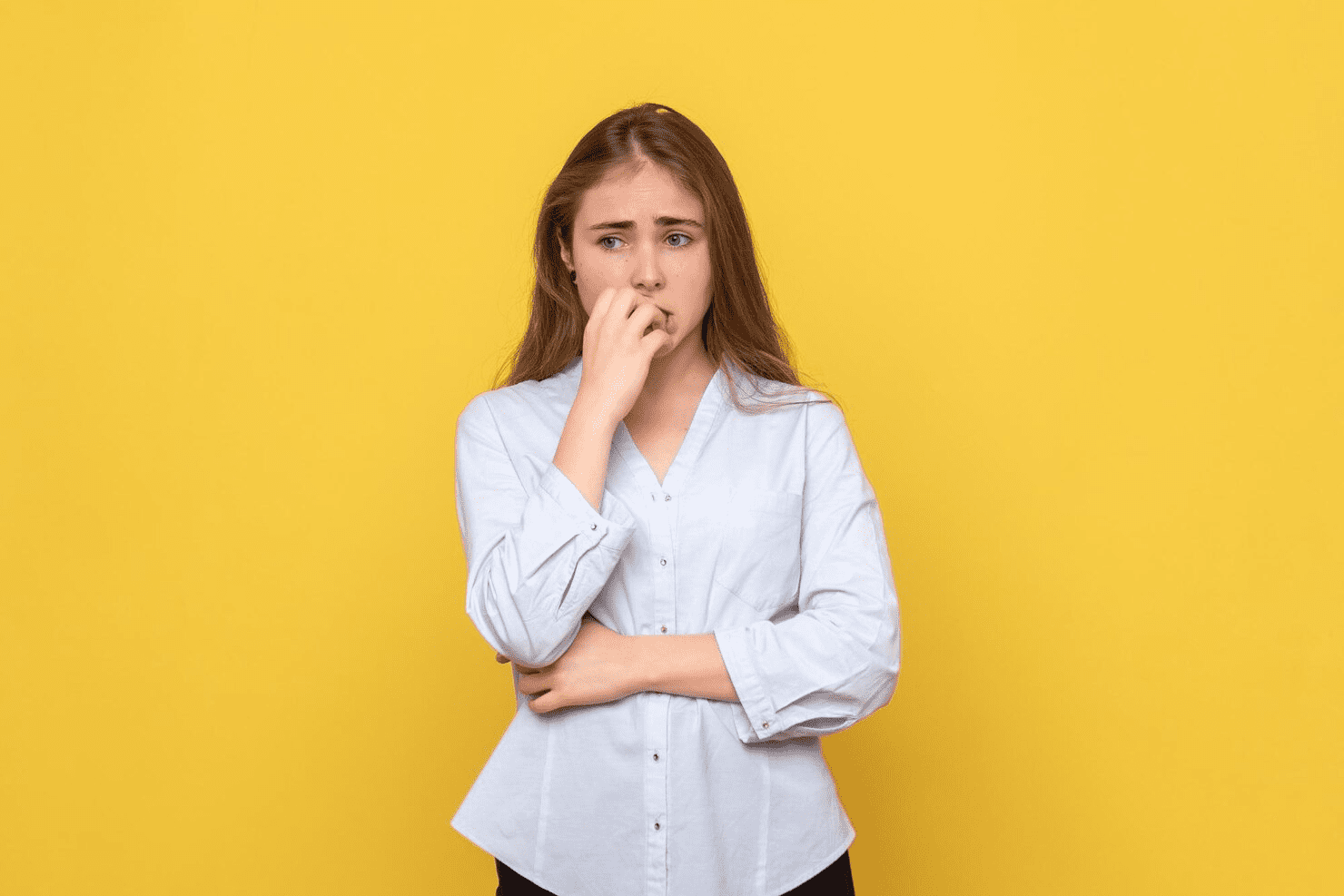
Stress and anxiety are terms frequently used interchangeably in daily discussions, clinical settings, and self-help materials. Despite their common pairing, they signify separate psychological and physiological reactions. Achieving a clear comprehension of the distinctions between anxiety and stress is vital, not just for precise self-assessment but also for successful intervention, both individually and professionally.
Defining Stress: The Response to External Demands
Stress refers to the body’s response to any demand or challenge, often termed a stressor. These stressors can range from tangible events—like an upcoming work deadline or a heated argument—to intangible issues such as existential uncertainty or fear of the unknown. The stress response, sometimes called the “fight or flight” reaction, is a product of evolution. It provides a physiological boost—rising heart rate, rapid breathing, muscle tension—preparing the body to deal with perceived threats or pressures.
For example, a college student preparing for final exams may experience stress in the form of sleeplessness, irritability, and decreased appetite. These reactions typically subside when the exam period ends, revealing another key characteristic of stress: it is closely linked to external circumstances, and it generally dissipates when the situation resolves.
Defining Anxiety: The Persistent State of Anticipatory Worry
Anxiety, though frequently provoked or intensified by stress, has deeper origins. It is defined by an overwhelming, ongoing sense of apprehension or dread that is out of proportion to any real danger, and it can manifest even without an obvious stressor. In contrast to the body’s reaction to stress, anxiety is predominantly a mental state, yet it can manifest with notable physical signs such as heart palpitations, digestive issues, and muscle tension.
For instance, a university student might experience ongoing apprehension about failure, despite being thoroughly prepared, or dread hypothetical outcomes—regardless of their actual probability. This unease can persist or reappear even once examinations conclude, underscoring the widespread, and occasionally ingrained, character of anxious conditions.
According to the American Psychiatric Association, anxiety differs from routine fear or stress responses in both intensity and duration. Persistent anxiety may interfere with daily functioning and is a hallmark symptom of several mental health disorders, including generalized anxiety disorder, panic disorder, and social anxiety disorder.
Core Differences: Temporality, Triggers, and Duration
1. Trigger Source: – Stress is nearly always linked to an identifiable external event or circumstance. Its onset follows a specific stimulus, such as a work project, relationship conflict, or financial worry. – Anxiety can develop without a clear, immediate cause. It may be generalized—manifesting as chronic worry about various concerns—or focused on unlikely possibilities rather than imminent scenarios.
2. Duration and Intensity: – Stress tends to be acute and resolves as soon as the stressor is removed. While chronic stress exists, it is still tied to ongoing, often objective challenges. – Anxiety tends to be more enduring, sometimes existing in the absence of obvious triggers, and can escalate to disproportionate levels compared to the circumstances or risks involved.
3. Symptom Profile: – Stress predominantly triggers bodily manifestations—tiredness, altered sleep patterns, muscle soreness, head pain—while emotional shifts like short temper are frequently observed. – Anxiety involves deep-seated mental indicators—unease, dread, persistent intrusive ideas—in addition to physical signs akin to those of stress, including accelerated heart rate or perspiration.
4. Functionality: – Stress has the capacity to both inspire and hinder. A moderate level of stress (eustress) might boost performance, for instance, an athlete’s sharpened concentration prior to a contest. – Anxiety primarily hinders everyday activities and, when it manifests pathologically, can result in avoidance tendencies, decreased output at work, and damaged interpersonal connections.
Case Study: Stress Versus Anxiety in the Workplace
Consider two employees at a technology firm approaching a product launch:
– Employee A feels overwhelmed by the workload, manifests irritability, and sleeps poorly. Once the launch concludes, these symptoms fade. This reflects a typical stress response to a finite challenge. – Employee B becomes persistently worried about job performance and fears being fired, even after consistently positive feedback. This worry persists long after the product launch and is unresponsive to reassurance. B’s experience is emblematic of anxiety, extending beyond situational stressors.
The Interaction Between Biology and Psychology
Both stress and anxiety activate overlapping systems in the brain, particularly the amygdala, which governs fight-or-flight responses. Cortisol and adrenaline levels rise in both states, leading to similar physical symptoms. However, the chronicity and context distinguish their biological footprints. Chronic stress can transform into anxiety if coping strategies fail or if exposure persists, blurring the lines between the two without erasing fundamental differences.
Research by the National Institute of Mental Health notes that while short-term stress can be adaptive, persistent anxiety confers risks for cardiovascular, metabolic, and inflammatory conditions due to sustained physiological arousal.
Management and Intervention Strategies
Interventions for stress and anxiety, while sharing some similarities, diverge in emphasis:
– Stress Management: Approaches center on organizing time, employing relaxation methods, delegating tasks, and, when feasible, modifying or removing the source of stress. – Anxiety Management: Cognitive-behavioral therapy, mindfulness exercises, and occasionally, pharmaceutical interventions are favored, given that the underlying cause is frequently intrinsic and enduring.
When to Seek Professional Help
Persistent, uncontrollable anxiety that disrupts daily life may require evaluation by a mental health professional. Stress that consistently overwhelms coping abilities and leads to withdrawal or physical health problems should also prompt intervention. Awareness of the dividing lines between normal, situational stress and problematic anxiety is essential for timely support.
Distinguishing between stress and anxiety unlocks a nuanced understanding of our emotional landscape. While stress is a universal response to external challenges, anxiety dwells in anticipatory fears and internal narratives. Recognizing their differences enables more precise identification and tailored approaches to wellness, empowering individuals to navigate life’s pressures with clarity and resilience.