
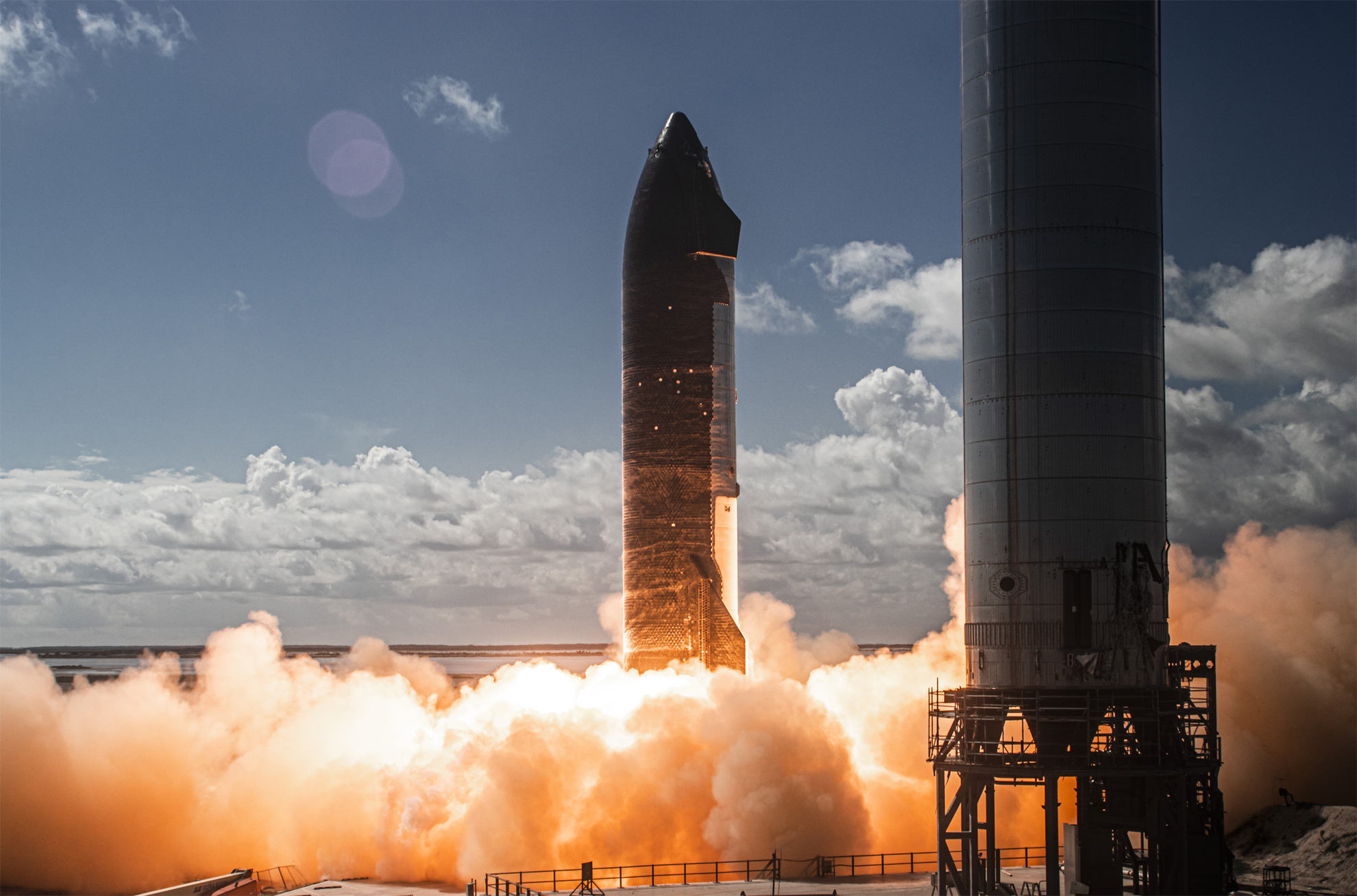
In a recent test flight, SpaceX’s Starship experienced a significant loss of control, drawing attention from aerospace enthusiasts and industry experts alike. This incident highlights the inherent risks associated with developing advanced space vehicles, even for a company as experienced as SpaceX.
The test flight was part of a series of evaluations aimed at refining the spacecraft’s capabilities and ensuring its readiness for future missions. Engineers and technicians at SpaceX work diligently to push the boundaries of aerospace technology, and each test provides invaluable data, even when challenges arise.
SpaceX is recognized for its capability to gain insights from its experimental launches, leveraging each hurdle to propel technological advancements. The ongoing loop of testing, assessing, and improving is vital to furthering the company’s ambition of making space travel more accessible and eco-friendly.
After the event, SpaceX teams are anticipated to carry out a comprehensive investigation to comprehend the reasons behind the control challenges. This examination will possibly include analyzing telemetry data, system diagnostics, and other performance indicators. By pinpointing the underlying cause, engineers can make essential modifications to avert similar incidents in future test flights.
El programa Starship es crucial para los objetivos a largo plazo de SpaceX, incluyendo las misiones a Marte y más allá. Mientras la empresa se esfuerza por establecer una presencia humana en otros planetas, garantizar la fiabilidad y seguridad de sus naves espaciales se vuelve cada vez más esencial. Cada vuelo de prueba, exitoso o fallido, desempeña un papel fundamental en el avance hacia estos ambiciosos objetivos.
The aeronautical sector continues to back SpaceX’s initiatives, acknowledging the intricacies associated with advancing technological limits. The hurdles encountered during trial flights highlight the inherent unpredictability in breaking new ground.
While SpaceX advances the refinement of its Starship model, the lessons learned from this recent event will probably shape the spacecraft’s future versions. The dedication to progress, along with an openness to learn from setbacks, places SpaceX at the forefront of the dynamic realm of space exploration.
In conclusion, while the recent test flight of the Starship did not go as planned, it serves as a valuable learning opportunity for SpaceX. The company’s resilience and determination to overcome challenges will undoubtedly contribute to its success in achieving longer-term goals in space travel. As the journey continues, all eyes will be on SpaceX as it navigates the complexities of developing the next generation of space vehicles.