
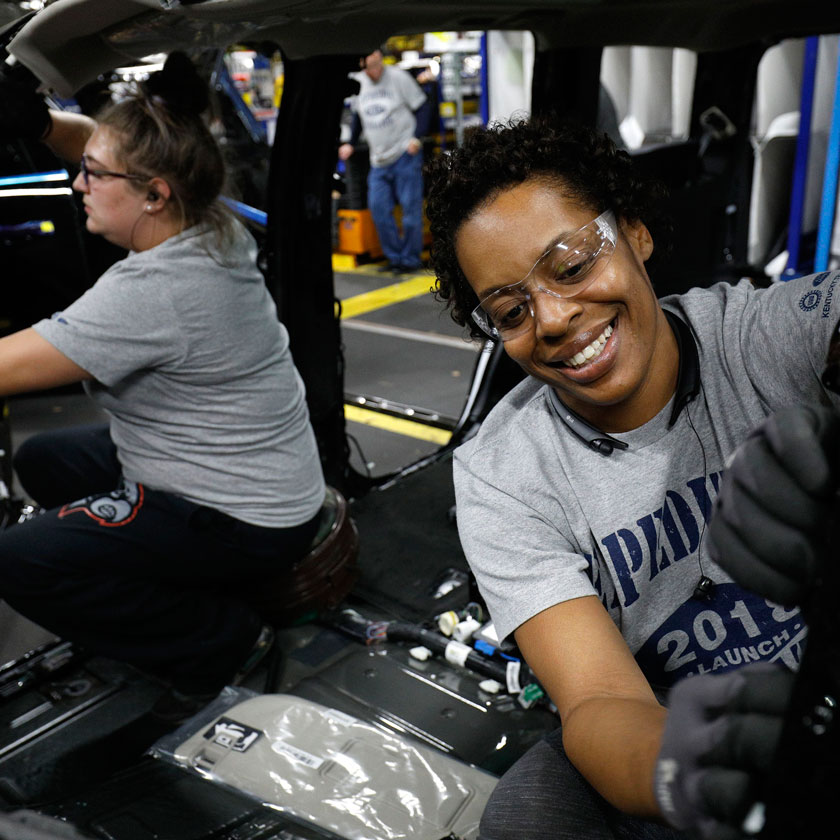
Understanding Inclusive Growth: A Comprehensive Exploration
Inclusive growth is a term that has emerged prominently in economic discussions and policy-making. It refers to an economic growth paradigm that aims to provide equitable opportunities to every section of society, thereby ensuring that the benefits of economic progress are distributed fairly across the population. In a world where economic disparities are widening, inclusive growth represents a pivotal approach to sustainable development.
“`html
Understanding Equitable Development
“`
At its core, inclusive growth focuses on creating a resilient economic framework that supports a wide array of demographics, including the marginalized, the underprivileged, and those who are often overlooked in traditional economic models. This approach not only measures growth through the lens of GDP but also evaluates human development indices such as health, education, and standard of living. Unlike traditional growth models that may concentrate wealth in the hands of a few, inclusive growth seeks to uplift all segments of society.
Key Components of Inclusive Growth
Several components are crucial to fostering inclusive growth:
1. Job Creation: Job opportunities that cater to diverse skill levels and promote workforce inclusivity are fundamental. This involves not just high-skill jobs but also those that empower semi-skilled and unskilled workers.
2. Development of Human Capital: Education and health services form essential foundations for inclusive progress. Ensuring access to high-quality education and medical care prepares individuals to actively engage in economic activities.
3. Sustainable Policy Making: Policies that encourage environmental sustainability and resource conservation play a role in inclusive growth. Economic development should not come at the expense of environmental degradation.
4. Social Protection Mechanisms: Establishing safety nets such as unemployment benefits, pensions, and accessible public services can mitigate the adverse impacts of economic transitions and fluctuations.
“`html
Instances of Inclusive Development in Practice
“`
There are various instances globally where inclusive growth policies have been implemented effectively:
India’s Comprehensive Initiatives: In India, programs like the Mahatma Gandhi National Rural Employment Guarantee Act (MGNREGA) offer a social safety net and aim to enhance rural living conditions by ensuring wage employment through public projects.
Nordic Approach: The nations in the Nordic region demonstrate inclusive economic development via their welfare states characterized by substantial taxation, providing extensive public services like universal healthcare and education. This system promotes high levels of employment and minimizes income disparity.
Bolsa Família of Brazil: Brazil’s Bolsa Família, a program that provides conditional cash transfers, has played a key role in diminishing poverty levels. This initiative offers monetary assistance to families with limited income, provided that their children are enrolled in school and receive vaccinations.
“`html
Obstacles and Approaches for Achieving Equitable Development
“`
Despite its benefits, implementing inclusive growth faces several challenges. These include:
Resource Allocation: Governments need to balance between development-oriented investments and ensuring immediate relief to the needy.
Political Will: Reaching political agreement and showing dedication are essential for integrating inclusive growth into policy structures.
Coordination with Stakeholders: It is essential to bring together diverse stakeholders, such as private companies, civil society, and global entities, to promote inclusive goals.
To address these obstacles, authorities and decision-makers can deploy approaches like improving policy alignment, encouraging collaborations between the public and private sectors, and supporting grassroots efforts that advance community-driven growth.
Thoughtful Summary
Inclusive growth stands as a promising frontier in confronting the multifaceted challenges of economic disparity and sustainable development. By harmonizing economic progress with equitable opportunities, nations can navigate towards more balanced and sustainable futures. The transition towards inclusive growth is complex and demands dedication, but its potential to foster societal harmony and economic sustainability remains invaluable. Through collective efforts and strategic initiatives, the vision of inclusive growth can be transformed into reality.