
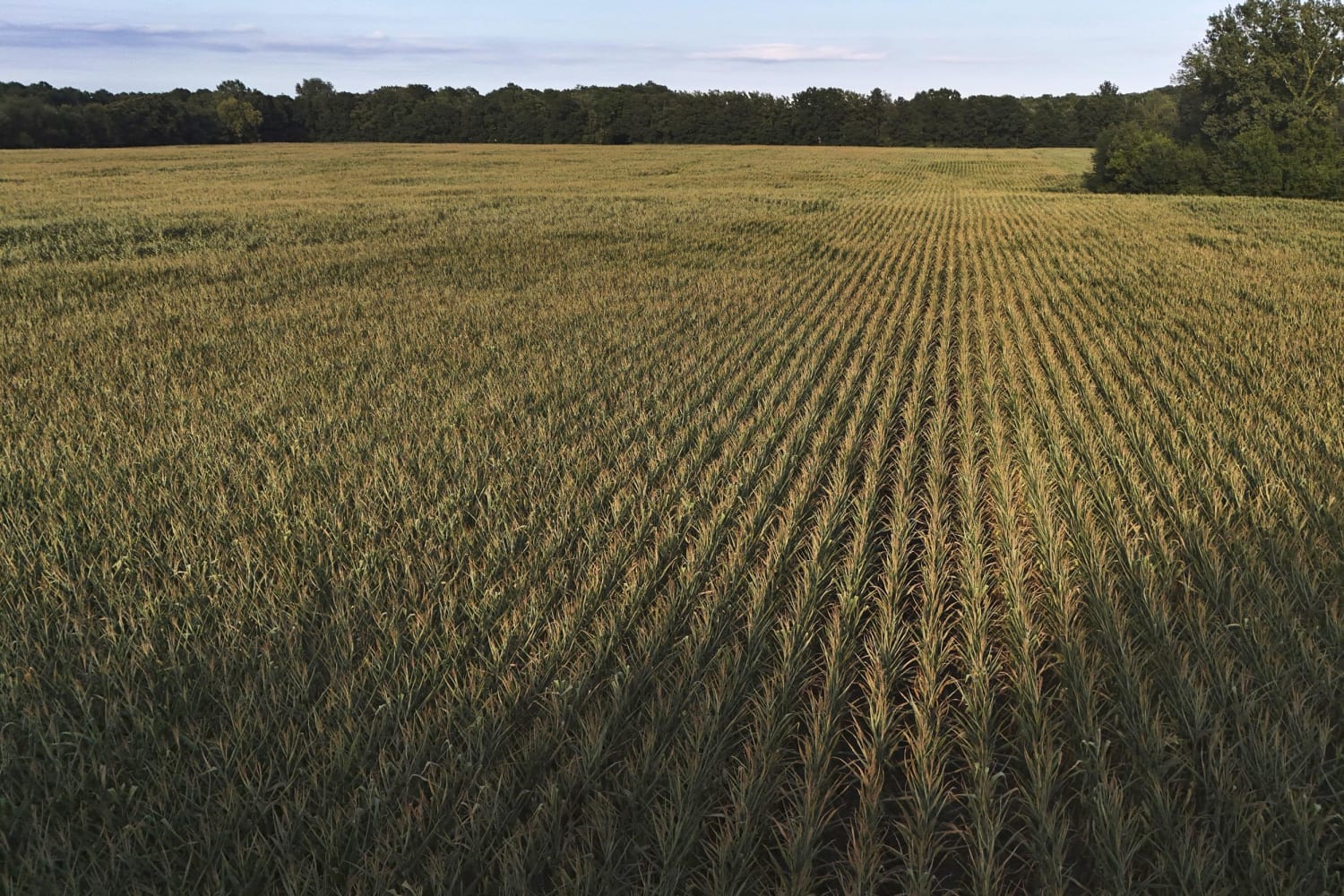
Corn has historically been one of the most reliable agricultural staples, vital not only to American cultivation but also to the worldwide food industry. It plays a crucial role in sectors ranging from animal feed and sweeteners to ethanol production and numerous food items, placing corn at the heart of contemporary farming. Nevertheless, the capability to achieve reliable, top-quality corn yields has always relied on a fragile equilibrium of weather patterns. In recent times, this balance has grown progressively precarious, leading to significant worries about how climate change could impact yields and food security in the future.
Farmers have traditionally relied on a predictable sequence of weather patterns—timely rainfall, warm growing seasons, and stable soil conditions—to cultivate strong corn harvests. A healthy crop requires adequate moisture during planting, mild weather during the pollination phase, and steady warmth as the ears mature. When those conditions align, the outcome is a bountiful harvest that sustains food supplies and fuels economic growth. Yet, as climate patterns shift, these once reliable weather sequences are becoming harder to count on, leaving farmers with uncertainty at every stage of the growing season.
In many regions, particularly across the Corn Belt in the United States, the signs of change are already evident. Unseasonable rains have delayed planting in some years, while prolonged dry spells have left fields vulnerable during critical pollination periods. Extreme heat waves, arriving at the wrong time, can devastate kernels before they fully develop. Each of these factors alone can harm yields, but combined, they create a cycle of unpredictability that makes farming more of a gamble than ever before.
One of the major difficulties is the schedule of precipitation. Corn grows best with evenly spaced water, yet climate change has altered rainfall trends, causing extended periods of dryness punctuated by abrupt, intense downpours. Although flooding might restore underground water reserves, it also erodes essential topsoil and nutrients, weakening plant vitality. Conversely, extended drought periods put pressure on the crop, diminishing both its quality and yield. This unpredictable pattern complicates farmers’ ability to plan, regardless of the sophistication of their techniques.
Fluctuations in temperature present an additional challenge. Corn needs warmth for growth; however, excessive heat can greatly decrease yields. If there is a convergence of high temperatures with the plant’s blooming period, it can lead to pollination failure, thus decreasing the number of kernels. A field that seems fine one week might suffer major losses the following week, simply because of a short spell of intense heat. Climate models predict that these heatwaves will become increasingly common, representing a significant danger to areas that have historically been optimal for corn cultivation.
Farmers are already tackling these issues by modifying their methods. Improvements in watering systems, land preservation methods, and seeds that resist dry conditions are aiding in reducing certain threats. Experts in agriculture are also investigating how genetic advancements and precise technology can offer stability amid changing environments. However, these adjustments entail expenses—monetary, ecological, and societal—that may not be feasible for all producers. Especially smaller farms encounter significant obstacles when competing against larger businesses that can handle greater costs.
The financial consequences of inconsistent corn yields extend well beyond the agricultural sector. Corn plays a crucial role in the worldwide supply chain. A deficient crop in a particular area can increase feed costs, impacting livestock businesses and elevating food prices for buyers. The production of ethanol, largely dependent on corn, also becomes more unstable, affecting energy markets. Even common goods, like breakfast cereals and soft drinks, experience the ripple effects of changing corn availability.
Examining future challenges, the significance of government policies and global collaboration becomes essential. Authorities are increasingly urged to aid farmers with subsidies, crop insurance, and programs for climate resilience. Concurrently, funding initiatives for sustainable farming techniques—such as regenerative agriculture and enhanced water management—will be crucial for the agricultural industry’s ability to cope with climate pressures. Nations reliant on corn imports must also prepare for possible disruptions, ensuring supply chains stay reliable in a future of growing climate unpredictability.
For customers, the problem might appear remote until it affects the supermarket shelves. Increasing grocery costs, lack of specific goods, and changes in available diet choices could all be results of unreliable corn yields. What was previously perceived as a straightforward farming issue is increasingly becoming a wider matter involving food security, economic steadiness, and environmental durability.
Corn has consistently mirrored its surroundings, and today it echoes the larger issue of climate change. Although innovation, adjustment, and worldwide collaboration might offer solutions, the difficulties that lie ahead are unmistakable. The ideal corn ear, once a reliable aspect of farming heritage, now represents the fragile equilibrium between agriculture and an evolving world.