
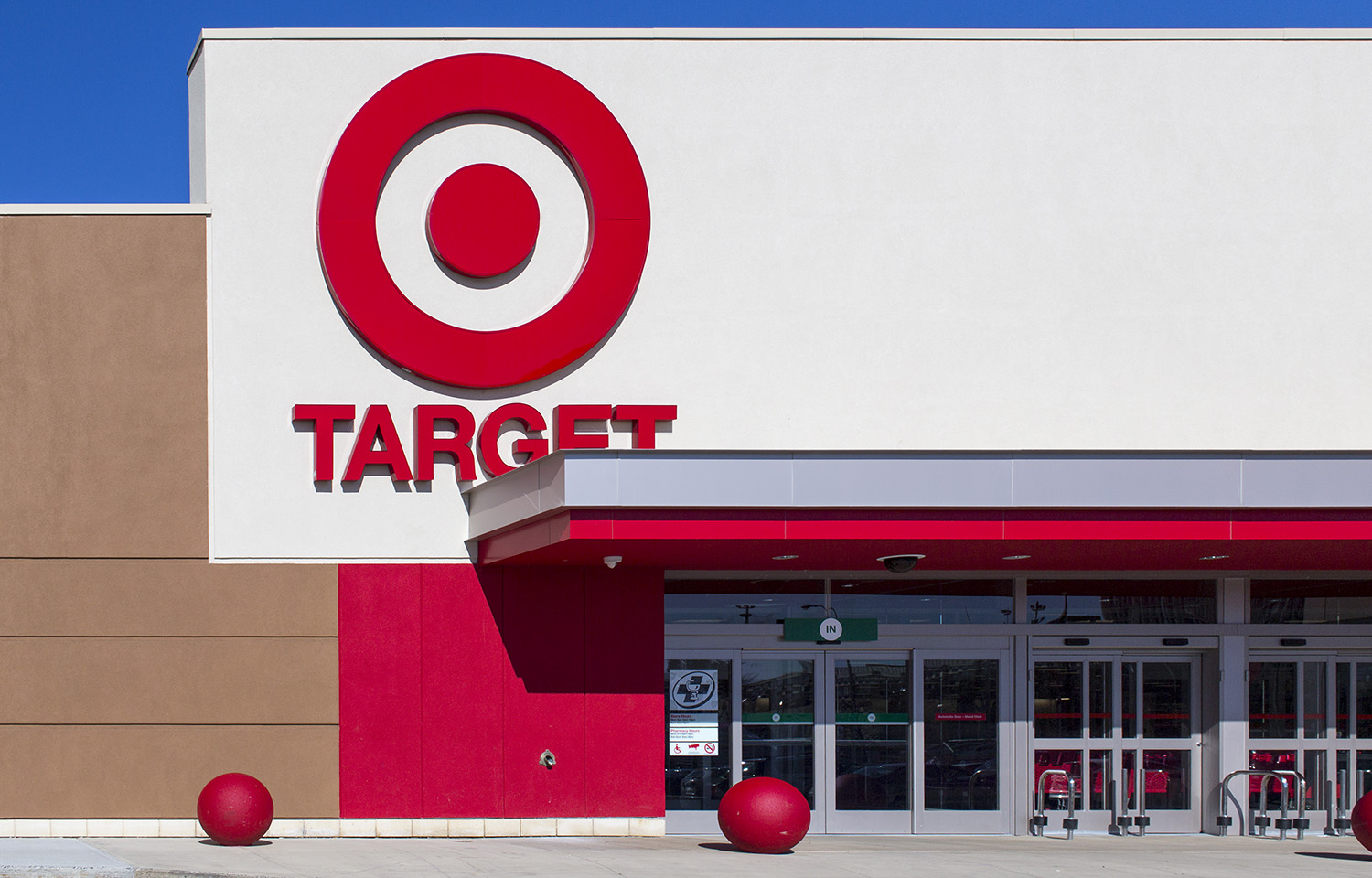
Target Corporation has announced a significant leadership change, appointing a new chief executive officer as the company looks to reinvigorate its sales and redefine its position in the competitive retail landscape. This move comes amid growing pressure from investors and analysts who have noted stagnating growth and shifting consumer behavior in recent years. The decision reflects Target’s commitment to strategic renewal and long-term stability.
The major retailer is navigating a difficult landscape where rapidly changing consumer demands are evident. The rise of online purchases, services prioritizing convenience, and shoppers who are sensitive to prices have pushed conventional retailers to rethink their strategies. Target’s latest results have underscored the necessity for fresh leadership to guide the company through these developments and regain trust from investors. The incoming CEO is anticipated to offer a blend of experience, innovation, and operational skills to this position.
The appointment follows a period of introspection at Target. The company has seen a mix of successes and setbacks across its physical stores and e-commerce operations. While it remains one of the most recognizable brands in the United States, competition from other big-box stores, digital-first retailers, and niche brands has intensified. The leadership change signals a renewed focus on enhancing customer experience and increasing market share.
Investors have reacted positively to the news, viewing it as a possible pivotal moment for the organization. Target’s shares have shown variability recently because of overall economic trends and consumer purchasing behavior. By appointing a CEO with proven success, the company intends to stabilize its progress and implement projects that can enhance earnings. Experts anticipate that distinct strategic goals will be determined shortly, concentrating on immediate outcomes and the brand’s long-term market standing.
The new CEO inherits several critical challenges. One of the primary areas of focus is improving same-store sales, which have shown signs of slowing. Shoppers today are more selective, often comparing prices across multiple platforms before making a purchase. Target’s leadership will need to identify ways to differentiate its offerings, whether through exclusive products, improved pricing strategies, or enhanced in-store experiences that draw customers back.
Digital transformation will remain a top priority. The retail environment has been altered significantly due to the swift increase in online shopping and mobile commerce. Target has allocated substantial resources towards enhancing its digital infrastructure recently, but the incoming CEO must weave these efforts into a unified strategy. It is essential to optimize stock management, enhance supply chain efficiency, and ensure smooth transitions between online and offline experiences to stay competitive in a market progressively driven by technology.
Beyond sales and operations, the way people perceive Target’s brand significantly influences its growth path. The company has built a reputation for offering affordable and quality products, but shifts in demographics and consumer preferences necessitate ongoing adaptation. Initiatives focusing on sustainability, community involvement, and inclusive marketing are now vital parts of contemporary retail strategies. The new leadership team is anticipated to support these values while seeking additional ways to sustain brand relevance.
Employee involvement and staff supervision are among the primary challenges. Target hires a vast number of personnel in its retail locations, logistics hubs, and administrative headquarters. Maintaining strong morale, implementing effective training initiatives, and ensuring clear communication are vital for executing strategic changes. Leadership capable of motivating and directing employees through changes will be a key element in attaining operational efficiency.
The competitive environment faced by Target presents additional challenges for the CEO. Competitors like Walmart, Amazon, and Costco persist in their innovation efforts, compelling Target to adjust its own approaches. Unique product offerings, loyalty initiatives, or enhanced customer support could serve as distinguishing factors. The incoming CEO must utilize data analysis and market research to predict consumer preferences and react faster than the competition.
Financial strategy is another area of focus. Maintaining profitability while investing in growth initiatives requires careful planning. Capital allocation decisions, including investments in store renovations, technology upgrades, and marketing campaigns, will need to be balanced against shareholder expectations for returns. The CEO will likely prioritize initiatives that provide measurable impact while positioning the company for sustainable growth over time.
Target’s recent initiatives in same-day delivery, curbside pickup, and online shopping tools have been significant moves in adjusting to shifts in consumer habits. Nevertheless, the organization encounters the difficulty of expanding these offerings effectively while preserving quality. The incoming management team must evaluate operational efficiency, recognize obstacles, and put strategies in place that enhance services without compromising profitability.
The wider retail sector continues to be affected by economic elements like inflation, interest rates, and consumer confidence. Target’s capacity to manage these macroeconomic challenges will rely on strategic flexibility and effective operations. The incoming CEO will have to make prompt choices about pricing, marketing strategies, and stock levels to stay competitive while ensuring profitability.
Customer loyalty will also be a key driver of future success. Target has invested in programs such as its loyalty rewards platform and exclusive brand partnerships to encourage repeat purchases. Strengthening these initiatives while exploring new engagement methods can help increase lifetime customer value and deepen connections with target audiences. The leadership team will likely focus on refining these programs to maximize impact.
Sustainability and corporate responsibility are increasingly important in retail. Consumers are paying closer attention to environmental and social practices when choosing where to shop. Target has made commitments to reduce carbon emissions, expand sustainable product offerings, and support local communities. The new CEO is expected to build on these initiatives, aligning them with broader business objectives to enhance both reputation and long-term competitiveness.
Innovation in merchandising and product strategy will play a central role in Target’s revival efforts. Identifying trends, sourcing in-demand products, and creating differentiated offerings are essential for attracting shoppers. The CEO will need to foster a culture of innovation within the merchandising team, ensuring that the company remains relevant and exciting in a crowded marketplace.
Estrategies related to marketing and communications will play a crucial role. Developing campaigns that connect with consumers by focusing on value, quality, and ease will be essential for regaining momentum. Transparent communication about Target’s aims and services, together with marketing efforts informed by data, can aid in boosting traffic both on the web and in physical locations.
Looking ahead, analysts expect that the leadership change could serve as a catalyst for transformation. While challenges remain, including competition, operational complexity, and economic pressures, a fresh perspective at the top provides an opportunity to set a bold agenda. The focus will likely be on long-term growth, digital expansion, and strengthening customer relationships across all channels.
Target’s ability to revitalize sales will depend on cohesive execution across multiple fronts. Strategic clarity, operational efficiency, brand innovation, employee engagement, and digital transformation must all work in concert. The new CEO faces a pivotal task: balancing immediate results with the investments necessary to position Target as a leader in modern retail for years to come.
By appointing new leadership, Target signals both urgency and ambition. The company recognizes that sustaining growth requires proactive management, creative solutions, and a deep understanding of changing consumer behavior. If executed successfully, this leadership transition could mark a turning point in Target’s trajectory, restoring confidence among investors, employees, and customers alike.
The retail industry will be observing with keen interest. Rivals, experts, and shoppers will scrutinize if Target’s fresh management can achieve substantial outcomes and steer through the hurdles of a swiftly changing market. The risks are substantial, yet the potential gain is just as important: reinforcing Target’s position as a key figure in U.S. retail while preparing for enduring expansion ahead.