
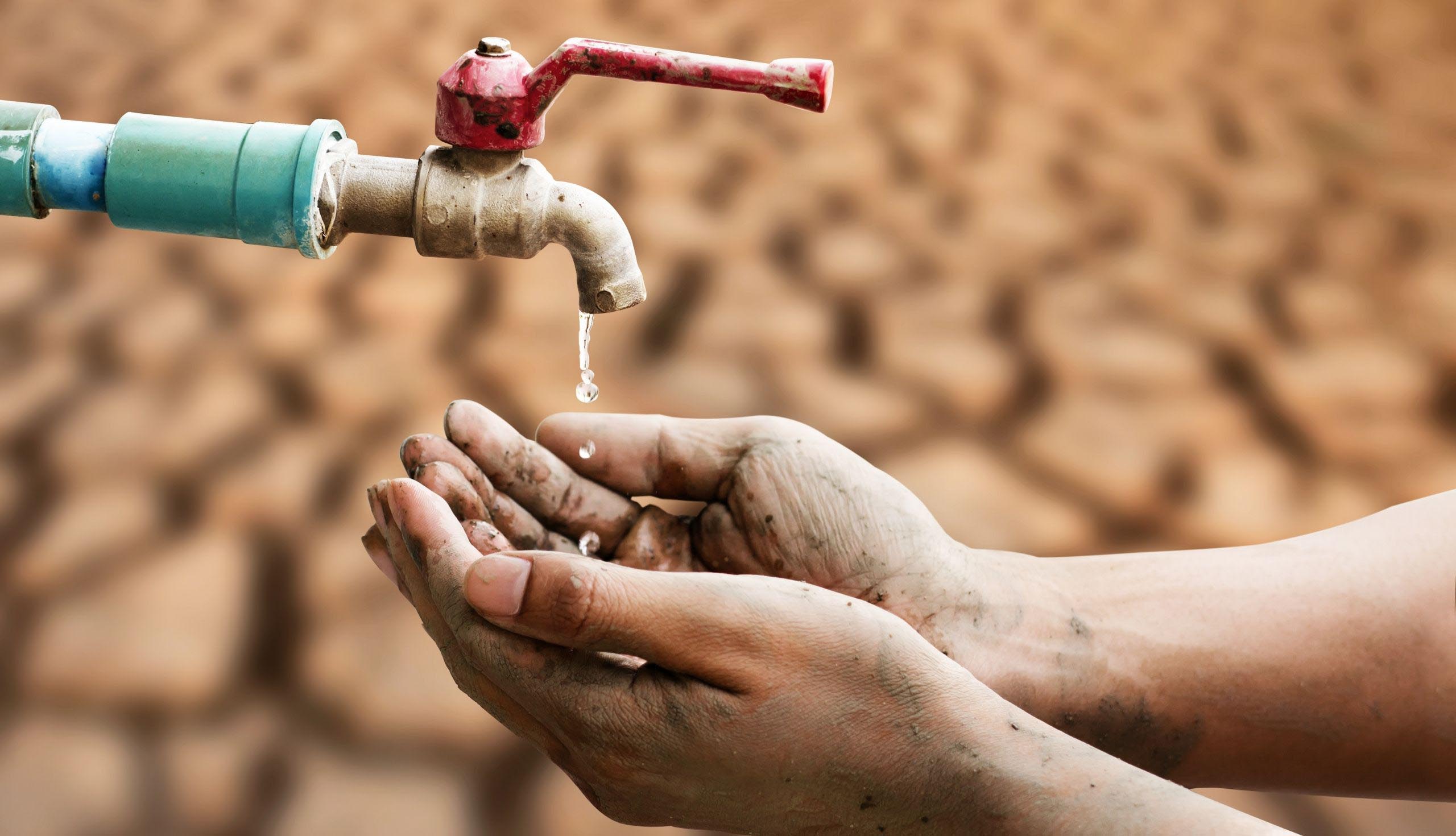
In various parts of the world, people are experiencing intense heatwaves and extended spells of soaring temperatures. This situation is raising worries about the escalating water requirements and their effects on societies, farming, and nature. The heightened demand for water during severe weather events highlights the critical necessity for sustainable water resource management and strategies to adapt to climate changes.
With temperatures reaching record highs in many areas, the demand for water has surged significantly. Households, industries, and agricultural sectors are all drawing on water resources at unprecedented rates to cope with the heat. This heightened demand has placed immense pressure on water supply systems, particularly in regions already grappling with drought or limited water availability.
La relación entre temperaturas elevadas y el aumento en el uso de agua es compleja. En los hogares, las personas dependen en gran medida del agua para refrescarse, hidratarse y realizar actividades cotidianas como la jardinería y la higiene personal. En la agricultura, las temperaturas altas provocan mayores tasas de evaporación y una necesidad incrementada de riego para mantener los cultivos. Los animales de granja también requieren más agua para mantenerse saludables durante las olas de calor. Del mismo modo, las industrias que dependen del agua para procesos de enfriamiento o producción enfrentan incrementos en los niveles de consumo.
This situation is further complicated by the effects of climate change, which is intensifying the frequency and severity of heatwaves. Prolonged periods of extreme heat not only increase short-term water demand but also threaten the long-term sustainability of water sources. Reduced snowpack, altered rainfall patterns, and shrinking reservoirs contribute to an increasingly volatile water supply, making it more difficult for communities to meet surging demands.
Public health represents another vital aspect of this issue. Elevated temperatures increase the likelihood of heat-related illnesses like heat exhaustion and heatstroke, especially for at-risk groups such as the elderly, small children, and individuals with existing health issues. Ensuring access to safe and adequate water is crucial to avoid dehydration and sustain health during periods of extreme heat. Any stress on water availability can, therefore, directly impact public health.
Agriculture, which uses a large portion of the world’s water, is especially vulnerable to high temperatures and dry spells. Farmers need to use extra water to maintain crop health; however, water shortages and limitations might hinder this process. This situation endangers food production and distribution networks, as well as the income of individuals employed in farming. In certain parts of the world, frequent droughts have already caused failures in crops and financial difficulties for agricultural communities.
Urban centers are also feeling the impact. Municipal water systems are strained as demand peaks, and aging infrastructure may struggle to cope with surges in usage. Authorities in some areas have implemented water use restrictions, urging residents to limit activities such as lawn watering, car washing, and other non-essential water consumption. These measures, while necessary, highlight the delicate balance between meeting immediate needs and preserving resources for the future.
The energy sector faces intertwined challenges. Increased use of air conditioning and cooling systems during heatwaves drives up electricity demand, and power plants—especially those using water for cooling—must also draw heavily on water supplies. This creates a feedback loop where energy and water demands compound one another, raising concerns about the resilience of infrastructure and the risk of supply disruptions.
In response to these growing concerns, experts advocate for a comprehensive approach to water management that incorporates conservation, infrastructure modernization, and climate adaptation. Strategies such as improving water efficiency in agriculture through drip irrigation, investing in drought-resistant crops, enhancing public awareness about water conservation, and repairing leaky infrastructure can all contribute to more sustainable water use.
Furthermore, urban areas and local governments are investigating creative approaches like using recycled water systems, collecting rainwater, and implementing eco-friendly infrastructure to mitigate water shortages. Embracing intelligent water technologies along with data-focused management strategies can facilitate more accurate observation and distribution of water resources, assisting in balancing supply and demand effectively.
Policy measures are just as vital. Authorities at municipal, provincial, and national tiers have a significant role in creating regulations, encouraging conservation, and backing investments in eco-friendly water systems. Global collaboration might also be needed in cross-border water areas where mutual resources demand cooperative management and conflict prevention.
Involving the public plays a crucial role in managing water resources effectively. Persuading people to embrace practices that conserve water, like repairing leaks, utilizing appliances that use less water, and minimizing water usage outdoors, can together lead to substantial improvements. Informative initiatives emphasizing the significance of saving water and the effects of climate change can motivate communities to get involved.
Observing the future, the convergence of escalating temperatures, heightened water needs, and climate change poses a significant challenge requiring prompt and continuous focus. Although advances in technology, policy measures, and community involvement provide avenues for resilience, the intricacy of these matters necessitates comprehensive solutions that harmonize environmental, economic, and social factors.
Ultimately, the continuous heatwaves and water pressure highlight the urgent need to enhance adaptive capabilities in response to a shifting climate. By focusing on sustainable water practices and committing resources to robust infrastructure, communities can more effectively tackle the growing difficulties posed by severe weather and guarantee that water stays available for everyone, even during the hottest periods.