
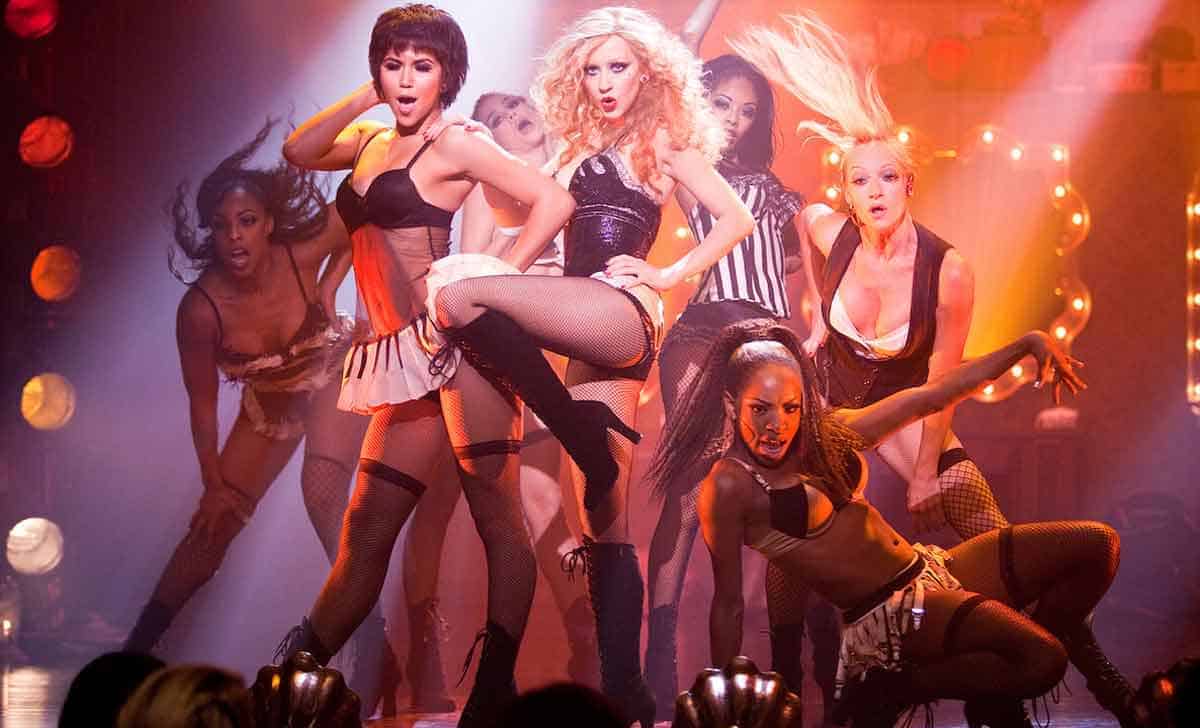
Burlesque, once considered a niche form of entertainment linked to vaudeville shows and smoky lounges, is witnessing a cultural resurgence. In cities throughout the U.S. and internationally, fresh performers are reviving the genre’s mix of dance, theatrical elements, and sensual appeal. For many, it symbolizes a celebration of body positivity, creative expression, and women’s empowerment. Conversely, it prompts reflective questions about objectification, societal norms, and the possibility of genuine liberation coexisting with the expression of sexuality.
This tension is not new. From its 19th-century origins, burlesque has walked a fine line between subversion and spectacle. While it often included satire, parody, and pointed social commentary, it also involved elements of striptease and risqué humor. Today, that legacy continues to stir debate, especially in a cultural climate increasingly conscious of gender dynamics and representation.
Many contemporary burlesque artists describe their experience on stage as deeply empowering. These performers come from all backgrounds—cis and trans women, non-binary individuals, and even men—bringing unique perspectives to their acts. Their routines often go beyond seduction. They use movement, costume, and choreography to tell stories, challenge norms, and express personal narratives. For these artists, the performance is not about catering to the male gaze but reclaiming agency over how they present their bodies and identities.
“It makes me feel strong,” say some performers when asked about what draws them to the stage. This sense of control—over one’s body, narrative, and audience—can be profoundly liberating, particularly in a world where women’s appearances are often judged through a narrow lens. In this context, burlesque becomes a space where performers redefine beauty, confidence, and sensuality on their own terms.
Proponents of contemporary burlesque suggest that its revival signifies a wider evolution in feminist ideology. Instead of dismissing displays of sexuality, numerous modern feminists promote personal autonomy and the liberty to embrace sensuality without embarrassment. According to this perspective, burlesque may serve as a form of opposition to societal norms that inhibit sexual expression or prescribe how women ought to act.
Yet not everyone sees it this way. Critics of burlesque—both within and outside feminist circles—question whether performances that center on striptease, however artistic, can truly separate themselves from systems that have historically commodified women’s bodies. They ask whether it’s possible to fully reject objectification in a format that still relies on public displays of sexuality.
This critique frequently arises from worries that burlesque might unintentionally support old-fashioned gender stereotypes, despite being executed to challenge them. Several individuals contend that viewers, particularly those not acquainted with the subtleties of the art, could perceive it as an act for consumption instead of a form of appreciation. For these onlookers, the story of empowerment is made more complex by the environment in which burlesque is practiced: a culture still struggling with deep-rooted sexism and inconsistent standards.
Others, however, point out that intent and context matter greatly. When performers create their own material, set their boundaries, and decide how to present themselves, the power dynamic shifts. Burlesque, in this case, is not imposed upon them—it is a conscious choice, an artistic expression, and a form of storytelling. In that sense, it can mirror other performance arts like drag, theater, or experimental dance, all of which use exaggeration and physicality to push boundaries and provoke thought.
Audience reaction contributes to shaping the experience. In contrast to conventional strip clubs, burlesque settings often promote a sense of community and inclusion. Performances attract not only heterosexual men but also women, LGBTQ+ individuals, and those interested in the arts. The environment is usually festive rather than exploitative, and numerous performances actively address feminist themes, body positivity, and identity politics.
The aesthetics of burlesque have also evolved. While feather boas, corsets, and sequins remain part of the tradition, modern performances might incorporate political satire, multimedia elements, or commentary on mental health, race, or gender identity. In doing so, burlesque expands its reach as an art form that doesn’t just entertain but also challenges perceptions and encourages dialogue.
This intersection of art and activism is key to understanding why burlesque matters today. It exists at a cultural crossroads—part nostalgia, part rebellion, and part reinvention. Its practitioners are often deeply thoughtful about their work, using it not only to entertain but to communicate complex ideas about empowerment, vulnerability, and resilience.
Certainly, the discussion surrounding whether burlesque serves as an empowering or diminishing force is likely to persist. Similar to numerous artistic expressions that involve sexuality, its influence is intensely personal. What one individual perceives as freedom might appear restrictive or troubling to someone else. Instead of reaching a concrete conclusion, the dialogue itself contributes to burlesque’s significance. It compels us to face uncomfortable inquiries about our perceptions of gender, authority, and performance.
What is evident, however, is that burlesque is diverse. It is influenced by the performers, the narratives they decide to share, and the spectators who watch them. Whether viewed as liberating, controversial, or a blend of both, it consistently provides a venue for creative discovery, personal expression, and conversation. In a society still navigating the trade-off between exposure and exploitation, this venue is essential as well as multifaceted.