
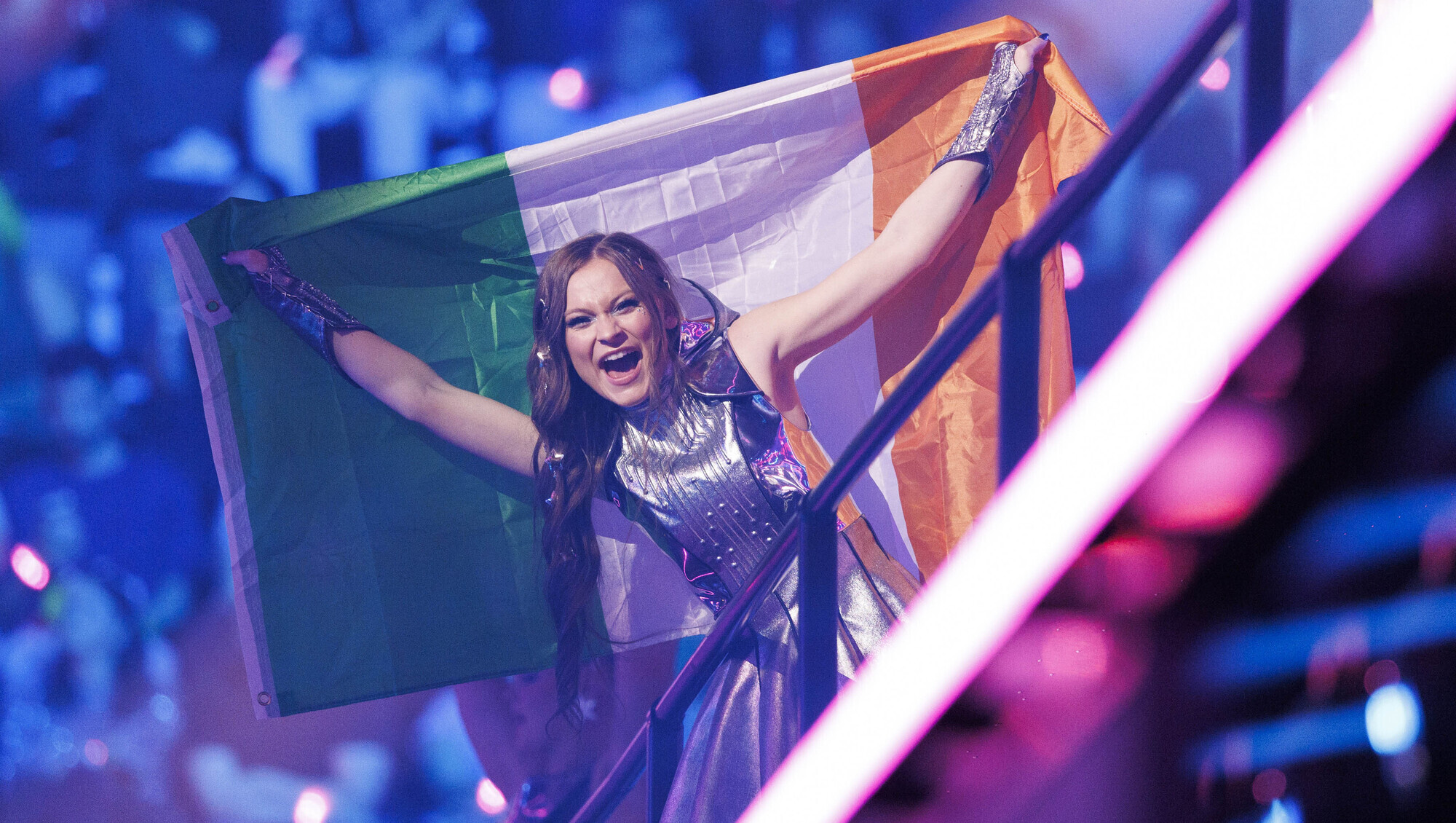
The Eurovision Song Contest, known for celebrating music, culture, and international camaraderie, is facing an unprecedented dispute this year. Ireland’s potential withdrawal over Israel’s participation has sparked widespread debate among fans, politicians, and cultural commentators. This conflict reflects the increasingly complex intersection of politics and entertainment, where geopolitical disagreements can influence even widely celebrated cultural events. While Eurovision has traditionally sought to maintain neutrality and foster unity through music, the Irish announcement signals how international tensions can disrupt the spirit of such global celebrations.
Political considerations in a cultural event
Ireland’s statement regarding Eurovision comes amid longstanding political tensions in the Middle East. Officials from the Irish delegation have cited ethical concerns and ongoing conflicts as reasons for reconsidering participation if Israel competes. This stance has provoked discussions across Europe about whether cultural events like Eurovision can remain insulated from political debates or whether they inevitably reflect broader international issues.
Historically, Eurovision has carefully managed political sensitivities, with both participants and organizers striving to emphasize music over political declarations. Despite this, the competition has seen controversies in the past, from voting controversies to boycotts, showing that the boundary between celebrating culture and political discourse is frequently unclear. Ireland’s threat introduces additional complexity, prompting discussions about the obligations of countries in harmonizing ethical factors with cultural participation.
The stance of Ireland highlights the significant impact of popular sentiment and activist organizations. Influence from the public and advocacy groups has frequently guided national choices about global events, illustrating that taking part in Eurovision extends beyond merely displaying musical abilities—it can also represent a nation’s ethical and political viewpoint.
Reactions from Israel and the international community
Israel’s involvement in Eurovision has traditionally generated both enthusiasm and controversy. The nation has achieved several victories and noteworthy performances, but its political context has sometimes sparked disapproval from other countries. The potential withdrawal by Ireland has prompted diverse reactions: some observers stress the need to distinguish between politics and entertainment, whereas others view boycotts as a valid method of demonstrating opposition to persistent disputes.
European broadcasters and Eurovision organizers are now facing the challenge of mediating the situation. The European Broadcasting Union (EBU), which oversees the contest, has long maintained that Eurovision should remain politically neutral. Yet, as Ireland’s threat demonstrates, maintaining neutrality is not always straightforward, especially when public sentiment and government positions collide with the contest’s operational decisions.
The global response similarly underscores the delicate balancing act that nations must navigate between their diplomatic priorities and cultural engagements. Ireland’s position might impact other countries with equivalent issues, possibly spurring a trend of ethical evaluation or even more threats of withdrawal. On the other hand, several nations consider taking part as an opportunity to advocate for peace and conversation, supporting the concept that Eurovision can act as a connector instead of a conflict zone.
Implications for Eurovision and global perception
If Ireland decided to carry out its warning, it might have major impacts on Eurovision’s reputation and audience. The exit of a long-term participant could establish a model for upcoming political issues to influence the contest, possibly weakening its fundamental goal of bringing countries together with music. Furthermore, the public’s view of Eurovision as an entirely festive and neutral event could be questioned, changing its portrayal in the worldwide media.
Media outlets across Europe and beyond have already begun analyzing the potential outcomes, from logistical complications to fan reactions. Eurovision enthusiasts, who have traditionally celebrated the contest’s diversity and creativity, may find themselves debating geopolitical ethics alongside the usual excitement over performances, costumes, and voting strategies. The intersection of politics and entertainment is becoming increasingly pronounced, signaling that future editions of Eurovision might need to address political sensitivities more directly.
Moreover, the situation underscores a broader trend in cultural diplomacy, where entertainment platforms are increasingly seen as arenas for political expression and influence. While music has the power to unite, it can also amplify divisions when underlying conflicts are unresolved. Ireland’s statement highlights the delicate balance organizers and participants must navigate to ensure that the competition remains inclusive, engaging, and respectful of differing international perspectives.
The prospect of Eurovision under political tension
While pressure increases, the forthcoming Eurovision Song Contest will act as an example for the management of political tension in cultural gatherings. The EBU and involved nations must think about approaches to encourage conversation, tackle moral issues, and keep the focus on music as a cohesive element. The possible pullout by Ireland highlights that cultural exchanges are affected by worldwide political dynamics, requiring planners to stay flexible amidst intricate global situations.
The debate highlights that Eurovision, although primarily a festival of music and artistic expression, operates within a larger sociopolitical framework. The choices made by separate nations—whether to join, oppose, or opt-out—mirror both internal principles and global viewpoints. The manner in which Ireland, Israel, and the larger European community handle this challenge might impact future events and shape audience views on the global connection between music and politics.
Ireland’s threat to withdraw from Eurovision if Israel participates is more than a headline—it highlights the evolving dynamics of international cultural events in a politically charged world. The incident demonstrates how music competitions can no longer be considered isolated from global affairs, and it underscores the ongoing challenge of maintaining neutrality, inclusivity, and cultural engagement in times of geopolitical tension. Eurovision’s ability to adapt and remain a platform for unity will be tested, offering insights into the future of global entertainment and international cooperation through music.