
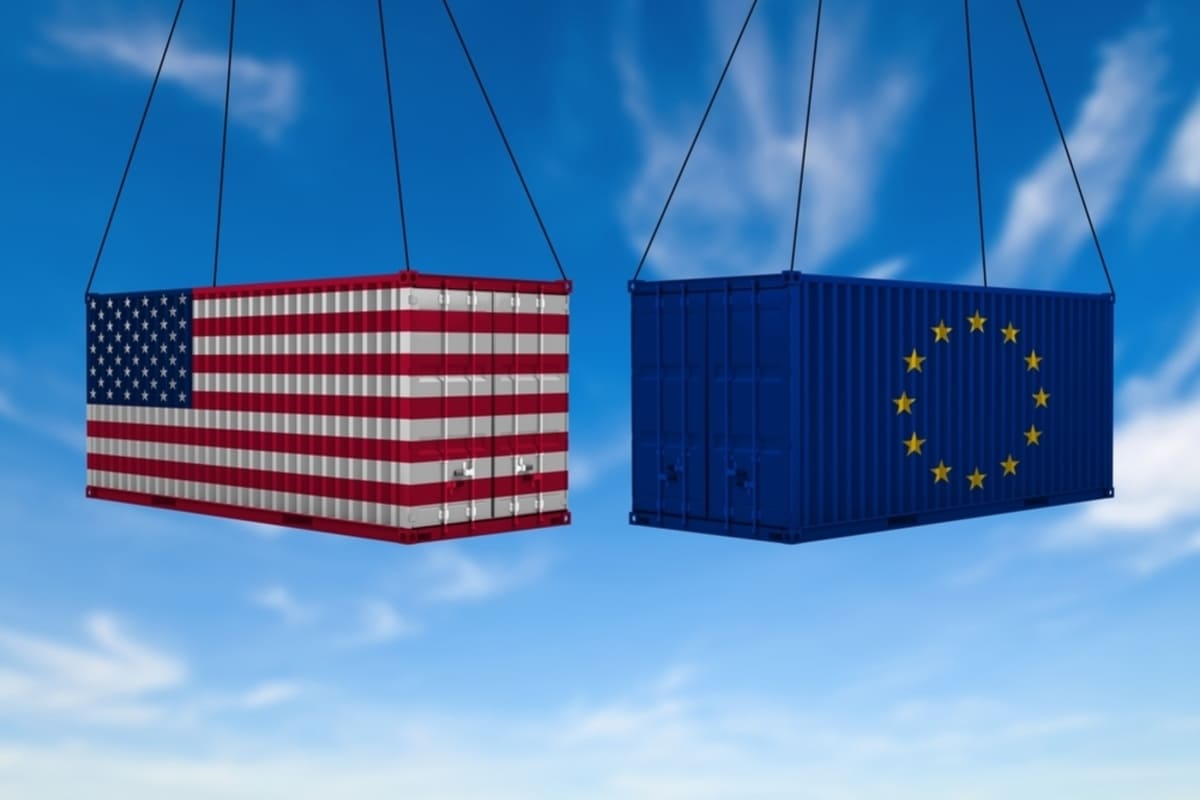
The European Union has chosen to postpone the implementation of proposed trade duties on products brought in from the United States, indicating a tactical halt in a persistent transatlantic disagreement. This choice, made within the larger framework of ongoing efforts to uphold diplomatic harmony and safeguard economic interests on both sides, showcases a cautious strategy in handling intricate trade conflicts between two of the world’s leading economies.
Initially, the suggested import taxes were included in a wider set of counteractive steps created to address long-standing differences about financial aid and entry to markets. These tensions, stemming from arguments about aerospace funding, taxes on digital services, and tariffs on steel and aluminum, have occasionally threatened to develop into broader trade clashes. In reaction to earlier measures by the U.S., the EU had been ready to apply taxes on an array of U.S. goods, ranging from farm produce to industrial parts.
However, following high-level discussions and behind-the-scenes negotiations, EU officials have confirmed that the imposition of these tariffs will be put on hold. The rationale behind this move appears to be multifaceted. On one hand, the EU is demonstrating a willingness to keep channels of dialogue open and avoid further disruption to trade flows. On the other, European leaders are likely weighing the broader economic implications of escalating retaliatory measures during a time of global economic uncertainty.
By postponing the tariffs, the EU is also providing additional time for the ongoing discussions aimed at addressing major concerns through dialogue instead of conflict. Recent comments from both EU and U.S. officials indicate a shared interest in reducing trade tensions and seeking more collaborative methods for longstanding disputes. This involves reassessing subsidy structures, updating digital trade rules, and agreeing on climate-related trade measures.
The choice has received varied responses from industry associations, lawmakers, and experts. Certain European producers and exporters, who had backed the tariffs to counteract what they perceive as unjust U.S. trade methods, have shown disappointment over the postponement. They contend that without equal actions, European companies continue to be at a detriment in major worldwide markets. On the other hand, some consider the decision a wise move that emphasizes economic steadiness and maintains potential for future agreement.
Across the Atlantic, U.S. officials have welcomed the postponement, interpreting it as a sign that the EU is interested in constructive engagement. While trade frictions remain, particularly in sectors such as technology and agriculture, the absence of immediate new tariffs lowers the risk of tit-for-tat measures that could damage bilateral trade volumes and investment flows.
The financial implications of this decision are considerable. The European Union and the United States maintain one of the largest commercial partnerships globally, involving goods and services worth hundreds of billions in both euros and dollars exchanged every year. A disruption in these trade relations might trigger repercussions in various industries, from aviation and automotive to pharmaceuticals and finance. The EU’s choice to refrain from implementing punitive actions right away indicates its dedication to maintaining the strength of this partnership.
Observers note that this latest development does not mark the end of the dispute, but rather a pause that could shape the next phase of negotiations. Both sides remain under pressure to find lasting solutions that address structural concerns without undermining their broader strategic alliance. This includes aligning policies in areas such as green technology, intellectual property rights, and international taxation frameworks—issues that are increasingly central to modern trade discussions.
In the coming weeks, attention will likely shift to upcoming trade summits and bilateral meetings, where policymakers will have the opportunity to revisit outstanding disagreements. The tone and substance of those discussions will be critical in determining whether the temporary delay in tariffs leads to a more permanent easing of tensions or simply postpones further conflict.
Meanwhile, businesses that operate across the Atlantic are advised to remain vigilant and adaptable. While the immediate threat of new tariffs has receded, the underlying issues remain unresolved. Companies must continue to monitor regulatory developments and prepare for a range of potential outcomes, including the possibility of tariffs being reintroduced if negotiations fail to produce concrete results.
Currently, the European Union’s choice to suspend its counter-tariffs is a strategic decision, prioritizing negotiation rather than conflict. Whether this strategy will result in a significant resolution or simply delay the conflict remains uncertain. Nonetheless, it is evident that the EU aims to handle its trading relations with the U.S. in a manner that aligns political values, economic truths, and the necessity for enduring collaboration in a dynamically changing global environment.