Our website uses cookies to enhance and personalize your experience and to display advertisements (if any). Our website may also include third party cookies such as Google Adsense, Google Analytics, Youtube. By using the website, you consent to the use of cookies. We have updated our Privacy Policy. Please click the button to view our Privacy Policy.

Trump promised 200 deals by now. He’s gotten 3, and 1 more is getting very close

Trump’s 200-deal promise: only 3 accomplished, and 1 deal is approaching

Cuando el ex presidente Donald Trump asumió el cargo, hizo promesas audaces sobre la transformación del panorama del comercio internacional mediante una serie de acuerdos ambiciosos que, según él, beneficiarían a Estados Unidos y restaurarían su lugar como una potencia económica dominante. Afirmó que su administración lograría asegurar hasta 200 nuevos o renegociados acuerdos comerciales, indicando un cambio drástico respecto a políticas anteriores que a menudo criticaba por ser desfavorables para los intereses estadounidenses. Sin embargo, con el paso del tiempo, la realidad de estos compromisos ha sido considerablemente menor que las expectativas iniciales.To date, the former president has secured…

Read more
Wall Street is calling Trump’s bluff

Wall Street reacts to Trump’s bluff

In the complex and ever-shifting world of global finance, confidence is often as valuable as tangible assets. In recent months, financial markets, particularly in the United States, have shown signs of skepticism toward former President Donald Trump's latest economic threats and policy pronouncements. Investors, analysts, and institutions appear less reactive than in previous years, suggesting that Wall Street may no longer take Trump’s economic rhetoric at face value.El vínculo cambiante entre el liderazgo político y los mercados financieros destaca cómo la percepción, experiencia y las condiciones económicas globales pueden influir en el comportamiento de los inversores. A medida que Trump…
Read more
Ramaphosa opposes Trump's 30% tariff on South Africa

Trump’s 30% tariff on South Africa draws criticism from Ramaphosa

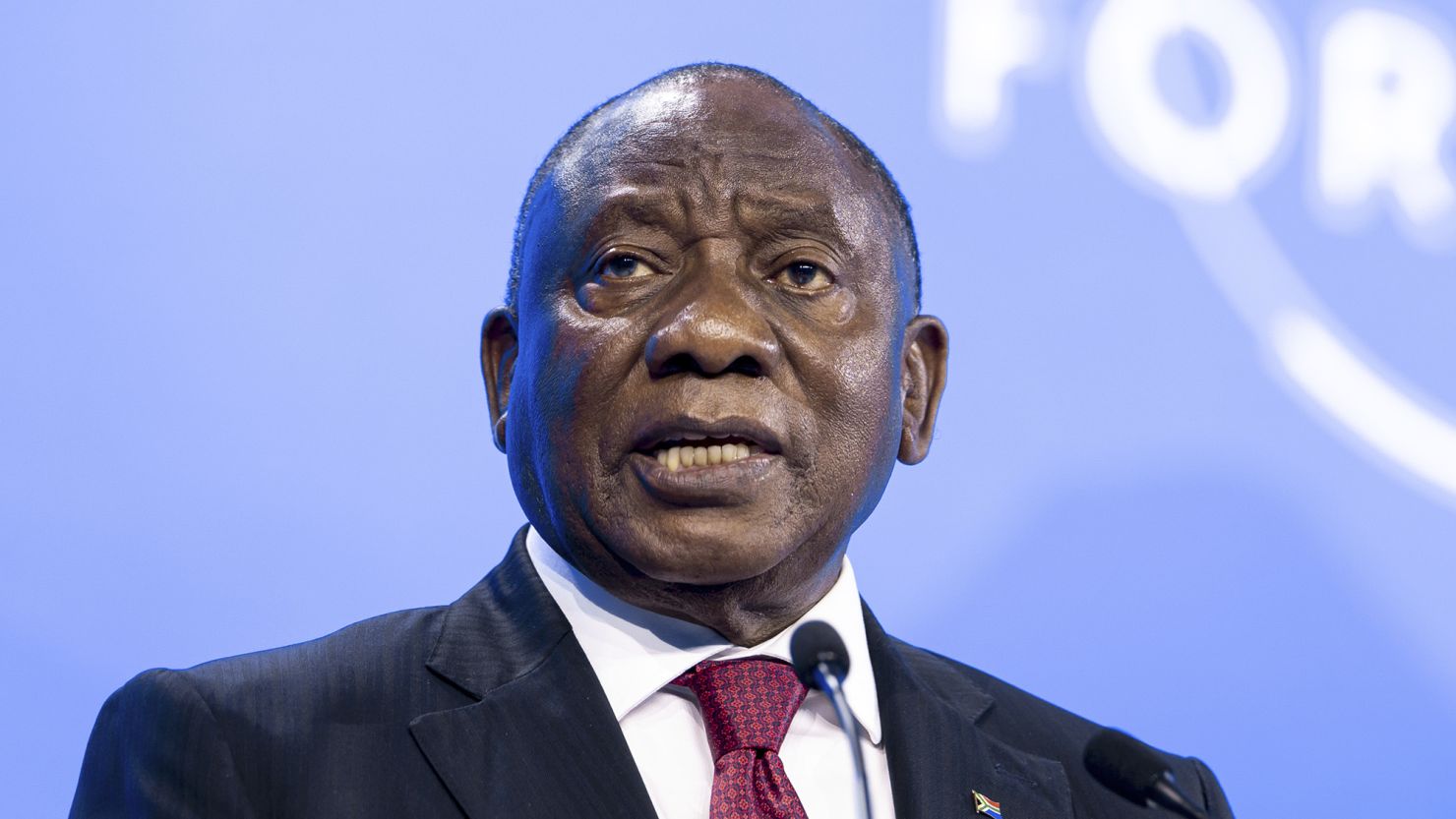
Cyril Ramaphosa, the President of South Africa, has openly voiced his disapproval of the suggested 30% duty on South African products, which was recently introduced by the former U.S. leader Donald Trump. This tariff suggestion, part of a broader economic plan associated with shifts in trade, has sparked worries not just in South Africa but also among worldwide trade analysts who dread its possible effects on international relations and developing market economies. The proposed tariff, aimed specifically at South African exports to the United States, is part of Trump’s ongoing rhetoric emphasizing national self-interest and the protection of American industries.…
Read more
US delays higher tariffs but announces new taxes for some countries

US postpones higher tariffs, sets new taxes for particular countries

El gobierno de Estados Unidos ha comunicado su decisión de postergar los aumentos programados en los aranceles de una variedad de productos importados, al mismo tiempo que presenta nuevas medidas fiscales dirigidas a ciertos países. Esta medida refleja las continuas complejidades de las relaciones comerciales internacionales, ya que el gobierno estadounidense sigue equilibrando las prioridades económicas locales con las dinámicas globales cambiantes.The postponement of increasing current tariffs provides short-term relief for several principal trading allies and sectors, many of which had voiced worries about the possible economic impact of elevated import fees. Meanwhile, the move to implement fresh taxes on…
Read more
There are hundreds of temporary tariff-free zones — and they’re in the US

Hundreds of tariff-free zones exist temporarily — and they’re in the US

In the complex world of international commerce, tariffs often play a central role in shaping economic policy, influencing global supply chains, and affecting the prices consumers pay for everyday goods. Yet, while much attention is given to discussions about trade barriers and tariffs imposed on imports, there exists a little-known mechanism within the United States that allows businesses to bypass certain duties altogether: Foreign-Trade Zones (FTZs).These zones, scattered across the country, provide companies with temporary tariff relief under specific conditions, offering flexibility that can significantly impact business operations, costs, and competitiveness. Though largely invisible to the average consumer, FTZs represent…
Read more
What have tariffs really done to the US economy?

The US economy under tariffs: What’s changed?

Tariffs have long been a central tool in the arsenal of economic policy, used by governments to influence trade, protect domestic industries, and generate revenue. In recent years, the United States has relied heavily on tariffs as part of its broader trade strategy, particularly in relation to China and other key trading partners. This renewed focus on protectionism has sparked intense debate over whether tariffs help or harm the U.S. economy. A closer look reveals that the effects of these policies are complex, far-reaching, and often produce mixed results.At their core, tariffs are essentially taxes imposed on imported goods. By…
Read more
close up of decorated piggy bank

How to defend your savings in an economic crisis

An economic crisis, whether triggered by a recession, banking collapse, geopolitical tension, or a global pandemic, often creates waves of uncertainty. Savings can be jeopardized by inflation, currency devaluation, stock market crashes, and mass unemployment. The 2008 Global Financial Crisis, for example, saw many individuals lose substantial portions of their investments and face liquidity challenges almost overnight. Protecting your savings during such turbulent times is crucial for maintaining financial stability and peace of mind.Diversification: The Fundamental ShieldDiversification is a key strategy for protecting one's savings. Allocating resources into various asset types—such as cash, bonds, stocks, commodities, and real estate—minimizes exposure…
Read more
hand holding dollar bills

Managing business debt effectively: A comprehensive guide

Handling business debt is an essential factor in maintaining and expanding any company. It requires careful planning, self-discipline, and strategic foresight to manage commitments and opportunities effectively, avoiding financial difficulties. This comprehensive guide offers insights on managing business debt wisely, with practical strategies, real-life examples, and useful advice.Comprehending the Essence of Corporate DebtNot every form of liability is the same. Differentiating between good debt and bad debt is essential. Good debt usually supports projects that produce revenue and enhance business potential, such as purchasing machinery, upgrading technology, or hiring talented staff. On the other hand, bad debt exhausts resources without…
Read more
Strong jump in US jobs as economy defies expectations

US Employment Grows Sharply Amid Economic Optimism

Los informes más recientes de empleo en el mercado laboral estadounidense han mostrado, una vez más, su capacidad para resistir, con un número de puestos de trabajo creados que supera las expectativas. Este aumento en la contratación pone de manifiesto la robustez subyacente de la economía estadounidense, a pesar de las preocupaciones persistentes sobre la inflación, las tasas de interés y la incertidumbre global que siguen influyendo en las previsiones económicas.Based on the latest information from the U.S. Department of Labor, a considerable quantity of new jobs was generated by employers in the most recent time frame reported. This figure…
Read more
brown leather bifold wallet on white table

Typical money management mistakes ruining your budget

Effective money management is foundational to long-term financial well-being, yet research confirms that mistakes are widespread even among financially literate individuals. Each misstep often carries compounding consequences, making it vital to recognize and rectify them early. This guide explores the most frequent money management errors, illustrating their effects through situational examples and relevant data.Inadequate Financial Planning and Excessive SpendingThe cornerstone of financial health is a realistic and actionable budget. Yet, data from the National Endowment for Financial Education reveals that more than 60 percent of adult Americans lack a formalized budget. Without a detailed accounting of income and outlays, individuals…
Read more