
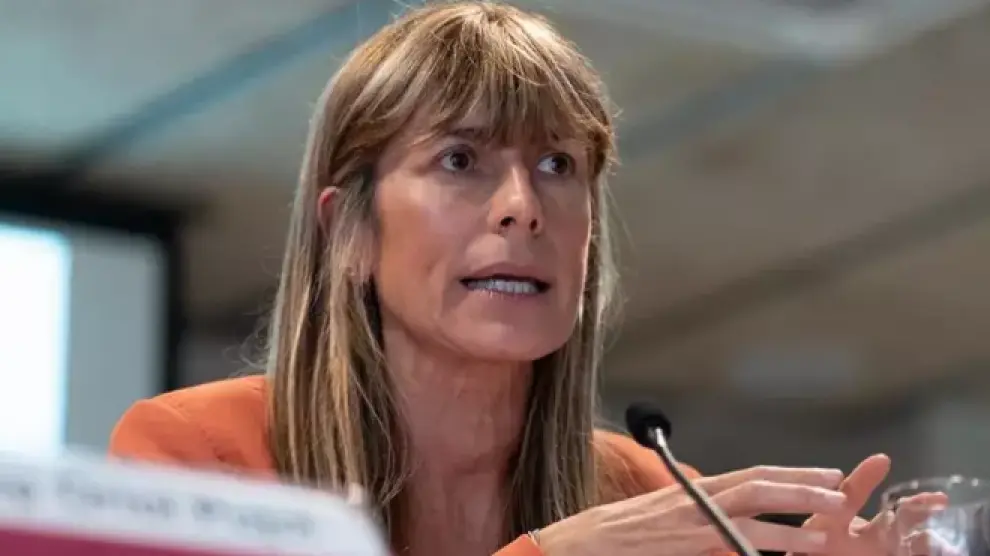
The legal spotlight on Begoña Gómez, wife of Spanish Prime Minister Pedro Sánchez, has intensified. She is currently under formal investigation for alleged influence peddling, corruption in business, embezzlement of public funds, and misappropriation. For the first time in Spanish democratic history, the spouse of a sitting Prime Minister faces active judicial proceedings while her husband remains in office.
The Academic Position at the Center of the Matter
The case focuses on Gómez’s position as the head of the Chair of Competitive Social Transformation at Complutense University of Madrid. Investigators claim that Gómez allegedly leveraged her academic role to endorse certain companies during public procurement processes, exploiting her closeness to the executive branch.
Those enterprises allegedly secured government contracts on preferential terms following their involvement in activities or initiatives coordinated by the Chair or aided by Gómez herself. The blending of institutional, academic, and private interests forms the core of the allegations regarding influence peddling and corruption.
Accusations of Embezzlement and Misuse
The investigation goes further. Authorities are examining whether Gómez used public resources for unauthorized purposes, including irregular hiring practices and the personal registration of software developed with public funds. These actions could constitute embezzlement and misappropriation, expanding the legal scope of the case.
Of particular concern is that part of the funding in question may have originated from European Union grants, prompting the European Public Prosecutor’s Office to request formal documentation on the matter.
Silencio Institucional y Control Político
The response from the Prime Minister’s office has been restricted to general appeals for respecting judicial independence. Pedro Sánchez has refrained from offering a specific opinion on the case, while the PSOE has publicly stayed neutral—neither supporting Gómez nor criticizing her actions. This lack of commentary has been seen by many as an effort to manage a potential scandal with significant ethical consequences.
Is it an Unrelated Event or a Sign of a Trend?
The probe concerning Begoña Gómez is not isolated. It aligns with other ongoing cases associated with Sánchez’s close affiliates, such as his sibling David Sánchez and prominent PSOE members, including Santos Cerdán. The concurrent revelation of these controversies implies more than mere chance—it prompts worries about a more extensive system where public and personal interests might have been consistently mixed for individual benefit.
The investigation concerning Begoña Gómez poses a significant test for the government and the credibility of public institutions. This case transcends personal criminal accountability; it questions whether political, academic, and economic frameworks have been manipulated to establish influence networks immune to scrutiny.
As the inquiry progresses, the trust in the government keeps diminishing. The commitment to democratic revival that once characterized Pedro Sánchez’s leadership is currently being challenged by claims of favoritism, silence, and lack of transparency at the top echelons of authority.