
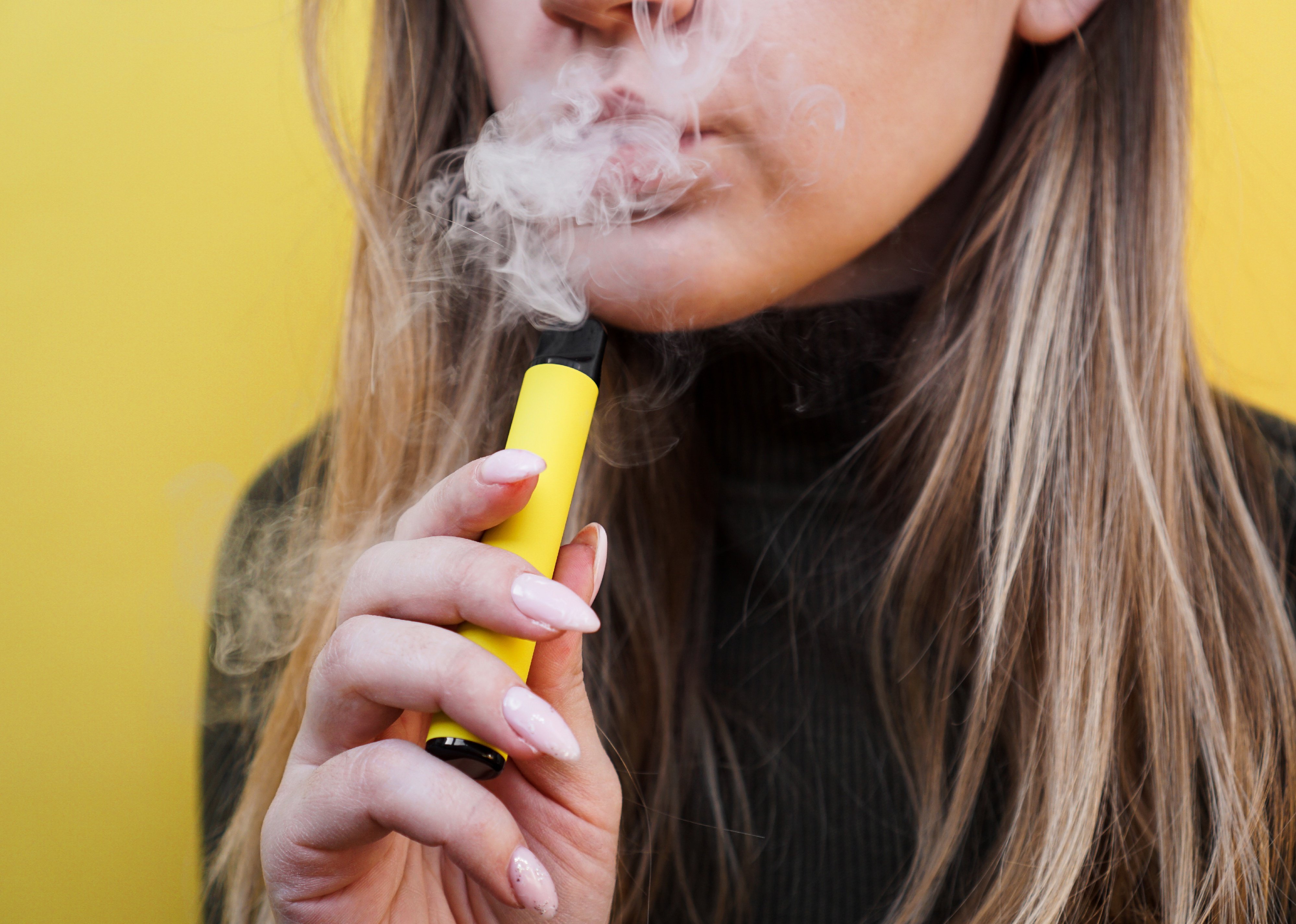
A recent research has shown a significant drop in the prevalence of e-cigarette use among children of school age in Australia, following the government’s enforcement of stricter rules on vaping devices. The results imply that public health initiatives—especially those focusing on access and distribution—could be effectively contributing to the decline in youth vaping.
El estudio, llevado a cabo por un grupo de especialistas en comportamiento saludable e investigadores de salud pública, examinó datos de una encuesta nacional realizada a adolescentes. Los hallazgos revelan que desde la implementación de la prohibición del vapeo y el refuerzo de las restricciones a las importaciones, el porcentaje de estudiantes que usan cigarrillos electrónicos regularmente ha disminuido. Esta tendencia representa una reversión notable tras años de incremento en las tasas de vapeo entre los jóvenes, una inquietud que había motivado a los legisladores a tomar medidas.
Australia’s approach to regulating vaping has been among the toughest globally. The prohibition on selling e-cigarettes with nicotine unless prescribed, coupled with heightened monitoring of unlawful imports and stronger enforcement actions, intended to address what health officials called an escalating crisis among youth. The laws also included measures to restrict the promotion of vaping items—particularly those with flavors—that often attract younger individuals.
Health experts have welcomed the results of the study as a promising indication that policy can influence behavior, particularly when it comes to public health risks among youth. Before the restrictions, flavored e-cigarettes had gained popularity among teenagers, many of whom viewed vaping as a less harmful alternative to smoking. However, growing evidence about the potential health risks and addictive nature of vaping led to heightened concern among educators, parents, and medical professionals.
The study’s authors noted that the decline was especially evident among middle and high school students aged 12 to 17. While usage rates had been climbing steadily for several years, the data now show a downward shift in both experimentation and regular use. Researchers credited this change not only to the legislative ban but also to public education campaigns that raised awareness about the potential harms of e-cigarette use.
In educational institutions throughout Australia, health education curriculums have been revised to incorporate details on vaping. Educators are being equipped with materials to address nicotine dependence, respiratory health, and the wider impacts of substance consumption. These initiatives are reinforced by media campaigns that focus on young people and their guardians, highlighting the dangers linked to vaping and the necessity of prevention.
Despite the positive data, experts warn that the problem is not yet settled. Even though the research identified a decrease in vaping, certain young people still obtain e-cigarettes through unofficial means, such as older acquaintances or unauthorized online sellers. Enforcing the current regulations continues to pose difficulties, especially in monitoring and reducing illegal transactions.
To address this, authorities are exploring new technologies and partnerships with border control agencies to intercept illegal imports. Additionally, there is growing discussion about implementing age-verification systems for online platforms and increasing penalties for those caught selling to minors.
The broader public health community sees this moment as an opportunity to double down on preventative measures. Experts emphasize the importance of sustained education, ongoing research, and collaboration with schools and families to ensure long-term success. They argue that while regulation plays a crucial role, behavior change among youth is often driven by social norms, peer influence, and perceptions of harm.
In that regard, the visibility of vaping in public spaces and on social media platforms also matters. Advocacy groups have called for tighter regulation of online content that glamorizes or normalizes vaping, especially content targeting or viewed by younger audiences. Influencer culture, in particular, has been under scrutiny for promoting vaping without adequate disclosure or health warnings.
Another focus of concern is the long-term health impact of vaping among adolescents. Although marketed by some companies as a smoking cessation tool, e-cigarettes are not without risk—especially for developing lungs and brains. Studies have linked youth vaping to respiratory issues, potential cardiovascular effects, and increased susceptibility to nicotine dependence, which can set the stage for future substance use.
For many public health officials, the Australian case study underscores the value of early intervention. By implementing strict regulations and combining them with education and community outreach, authorities have shown that it is possible to shift behavior trends. Other countries struggling with similar youth vaping crises may look to Australia’s model as a blueprint for effective action.
However, specialists caution that remaining watchful is crucial. The vaping sector is constantly changing, offering innovative items and methods of consumption that might attract youngsters. In some regions, single-use e-cigarettes, pods with high nicotine content, and sweet-flavored selections are still available, even with prohibitions in place, necessitating ongoing adjustments to regulations to stay updated.
Looking ahead, the researchers behind the study advocate for continuous monitoring of vaping trends among youth. Regular data collection, along with qualitative insights into why young people choose to vape—or avoid it—can help fine-tune prevention strategies. Importantly, they stress the need for inclusive approaches that consider the diverse backgrounds and experiences of students across urban, rural, and remote communities.
The latest reduction in vaping among young people in Australia indicates that effective public health strategies, paired with focused education and stringent regulations, can lead to significant improvements. Although obstacles persist, the initial results of the prohibition on nicotine e-cigarette sales provide optimism that positive change may be underway. As Australia further develops its strategy, it serves as a strong model for how policy can be used to safeguard future generations from the dangers of nicotine dependency and the yet unknown impacts of e-cigarette consumption.