
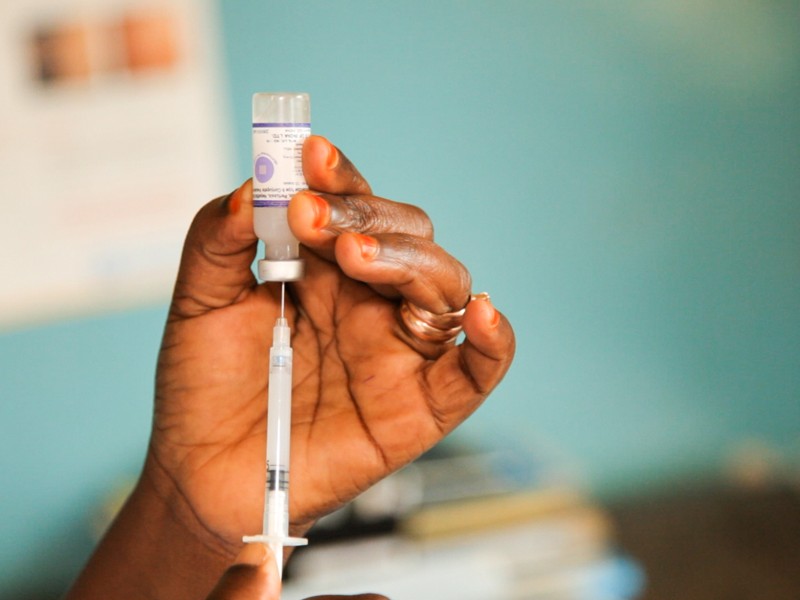
A detailed recent study has shown that extensive vaccination campaigns have greatly decreased global mortality rates, reducing deaths by up to 60%. The study emphasizes the significant effect vaccines have had in managing the dissemination and seriousness of infectious illnesses, especially amid recent worldwide health emergencies. The results underscore the vital importance of vaccination initiatives in preserving lives and safeguarding public health.
The study, conducted by an international team of researchers, examined mortality rates across various populations before and after the introduction of vaccination campaigns. By analyzing data from countries with high, medium, and low vaccination coverage, the researchers were able to draw clear connections between immunization rates and reductions in death rates. The results were consistent across geographic regions, income levels, and age groups, demonstrating the universal benefits of vaccines in preventing serious illness and death.
One significant insight from the research highlights how vaccines are efficient not only in managing the spread of infections but also in averting serious consequences in infected individuals. By training the immune system to identify and fight off pathogens, vaccines lower the risk of severe health issues, hospital admissions, and deaths. This safeguarding role has been noted in many vaccination efforts, targeting illnesses like measles, influenza, and more recently, COVID-19.
The research placed significant emphasis on the outcomes of COVID-19 immunizations. From the time the initial vaccines were made available at the end of 2020, billions of doses have been distributed globally. The study discovered that in nations where more than 60% of the populace was vaccinated, there was a notable decrease in deaths associated with COVID-19, with some countries witnessing a reduction in deaths by more than two-thirds. Even in areas with lower vaccination coverage, evident decreases in mortality were noted.
Besides the direct improvements in health, the scientists also highlighted the wider benefits for society that come with extensive vaccination campaigns. Lower mortality rates lessen the burden on healthcare facilities, minimize economic interruptions, and enhance general societal welfare. By stopping diseases, vaccines enable people to stay efficient, lower medical expenses, and preserve community stability.
Although these positive results are promising, the research also pointed out ongoing difficulties in attaining fair vaccine allocation. There are still notable differences between nations with high income levels and those with low income, as certain areas continue to face challenges in obtaining adequate vaccine stocks. The researchers stressed the crucial role of international collaboration to guarantee that vaccines are accessible to at-risk groups globally, highlighting that until comprehensive immunization is reached, the threat of the disease resurfacing persists.
The study’s authors pointed out that vaccine hesitancy continues to be an obstacle to maximizing the benefits of immunization programs. Misinformation, distrust of medical institutions, and cultural factors all contribute to lower vaccination rates in some communities. The researchers stressed the need for ongoing public education campaigns, transparency, and community engagement to build confidence in vaccines and address concerns.
The research also examined the historical context of vaccination efforts, tracing how vaccines have altered the course of various infectious diseases over the past century. Diseases that once claimed millions of lives annually, such as smallpox and polio, have been eradicated or reduced to negligible levels in many parts of the world thanks to sustained vaccination efforts. The study suggests that the success of COVID-19 vaccines is the latest chapter in this long history of public health achievements.
A significant element of the research is its examination of how vaccination coverage correlates with the robustness of healthcare systems. In nations with extensive vaccination, hospitals and healthcare centers experienced considerably reduced stress during disease surges. This enabled medical services to maintain care for chronic illnesses and urgent cases, thus averting further indirect fatalities. On the other hand, nations with minimal vaccination coverage frequently faced overburdened hospitals and elevated total death rates.
Another significant aspect explored in the study was the financial impact of vaccination campaigns. Vaccines contribute to stabilizing job markets, increasing consumer trust, and reducing the necessity for expensive public health measures by minimizing illness and saving lives. The analysts determined that the financial benefits derived from vaccination initiatives greatly surpass the initial expenses involved in the creation, manufacturing, and delivery of vaccines. This highlights the importance of ongoing funding in vaccine exploration and system development.
The findings have important implications for future public health planning. As new infectious diseases continue to emerge, the study advocates for stronger global preparedness and quicker deployment of vaccines. Lessons learned from the COVID-19 pandemic, including the need for rapid international cooperation and investment in research, could help mitigate the impact of future outbreaks.
The analysis highlights the significance of continuing regular vaccination schemes for various infectious ailments, even during emerging health challenges. Interruptions in child vaccination routines amid the COVID-19 crisis, for example, have sparked worries about possible surges in diseases like measles and pertussis. Researchers encourage health officials to prioritize restarting and broadening these initiatives to protect enduring public health.
The significance of breakthroughs in science regarding the swift creation of vaccines is yet another significant achievement emphasized by the research. Employing cutting-edge technologies like mRNA platforms has transformed the process of vaccine creation, enabling quicker manufacturing and the ability to adjust to new variants. The study suggests ongoing backing for these advancements to better prepare globally for upcoming health issues.
Public health experts have welcomed the study’s findings, describing them as a validation of decades of work to promote vaccination as one of the most effective tools in disease prevention. Many have called for renewed efforts to close the vaccine equity gap, stressing that protecting the most vulnerable populations is not only a moral imperative but also essential to global health security.
The study also underscores the role of collaboration between governments, international organizations, pharmaceutical companies, and local communities in the success of vaccination campaigns. Partnerships that pool resources, share knowledge, and promote fair access have proven crucial in reaching immunization targets. The researchers advocate for the strengthening of these partnerships to prepare for future public health challenges.
As the world continues to navigate the aftermath of the COVID-19 pandemic, the study’s findings offer both reassurance and a call to action. Vaccines have proven their worth in saving lives, reducing suffering, and enabling societies to move forward. However, the path ahead requires sustained commitment to vaccination efforts, ongoing public education, and global solidarity.
The researchers conclude by emphasizing that while vaccines alone cannot eliminate all health threats, they remain one of the most powerful and cost-effective tools available to humanity. Their ability to prevent illness, save lives, and foster economic stability makes them an essential pillar of modern public health. By continuing to invest in vaccine research, expanding access, and addressing public concerns, societies can build a healthier, more resilient future for all.
As vaccination efforts evolve, the findings of this study serve as a timely reminder of the profound difference vaccines have made—and continue to make—in shaping global health outcomes. With careful planning, equitable distribution, and community engagement, the life-saving power of vaccines can be extended to every corner of the world, protecting current and future generations alike.