
Bulgaria’s Nickolay Mladenov, a seasoned diplomat, has taken on one of the most challenging assignments of his career: overseeing the delicate implementation of a US-brokered plan to stabilize Gaza and guide its administration. His experience, relationships, and reputation will all be tested as he navigates the complex political terrain of the region.
Mladenov’s path to this moment has unfolded over several decades of diplomatic work. In the early stages of his career, he assumed prominent roles within Bulgaria’s government, serving as defense minister at 37 and later taking on the position of foreign minister. His global portfolio broadened through his service in the European Parliament and his appointment as the UN’s Special Representative for Iraq, eventually leading him to Jerusalem in 2015 as the UN Special Coordinator for the Middle East Peace Process. While many regarded this post as largely symbolic and limited in impact, Mladenov set himself apart by building genuine trust with both Israeli and Palestinian leaders—a notably uncommon achievement in such a protracted conflict.
His method blended steady pragmatism with deliberate patience. Unlike earlier envoys, he met face-to-face with key players on the ground, moving between Israeli leaders, the Palestinian Authority, and even Hamas in Gaza. Through this sustained engagement, he helped curb recurring escalations and facilitated discreet understandings that averted extended conflict. His dedication to dialogue earned him broad regional respect, although some critics contend he tended to favor Israeli viewpoints, at times limiting attention to Palestinian concerns.
Embarking on a new phase as the High Representative in Gaza
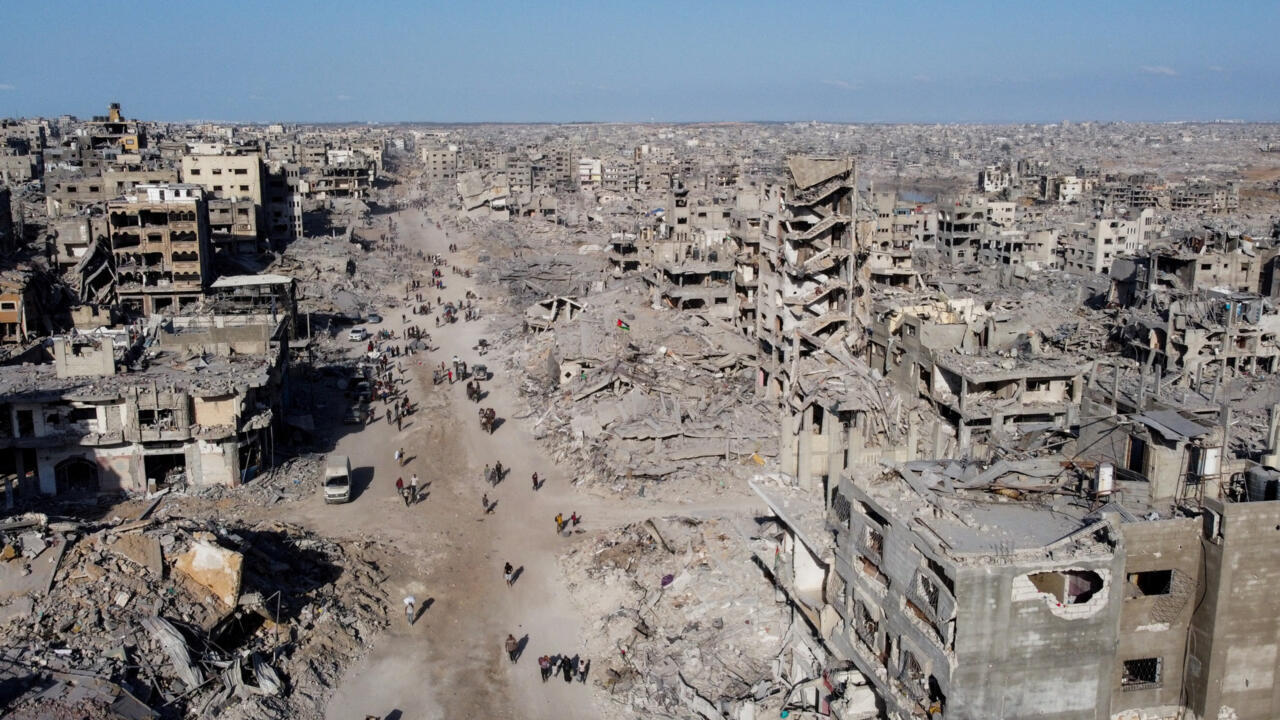
In his latest role as High Representative for Gaza, Mladenov faces an unprecedented challenge. Tasked with bridging the US-led “Board of Peace” and a technocratic Palestinian committee set to govern the enclave, he must translate a 20-point ceasefire framework into actionable policies. This includes overseeing reconstruction, disarmament, and governance for a population of nearly two million people.
The Board of Peace includes prominent figures such as US Secretary of State Marco Rubio, Special Envoy Steve Witkoff, Jared Kushner, and former UK Prime Minister Tony Blair. While Mladenov will lead on-the-ground coordination with the Palestinian committee, the board’s other members are focused on broader diplomatic, financial, and strategic initiatives. His success will depend on maintaining credibility with both Israelis and Palestinians while satisfying American expectations for stability and security.
Despite the high stakes, Mladenov’s initial interactions have been low-profile. He has met quietly with Israeli Prime Minister Benjamin Netanyahu and key Palestinian leaders to lay groundwork for the committee’s functioning. While he has not made public statements, his prior communications, including a New Year’s post emphasizing restraint and common sense, suggest a cautious, measured approach to his new responsibilities.
Striking a thoughtful balance between confidence and critical doubt
Mladenov’s diplomatic approach highlights relationship-building and pragmatic outcomes, and Israeli officials often commend his constructive communication, his handling of delicate issues, and his commitment to openness. Palestinians, though recognizing his professionalism, at times argue that he tends to give precedence to Israeli viewpoints rather than addressing their own priorities. Some observers note that his attention to Hamas and other shifting political players, instead of the Palestinian Authority, signals both a strategic practicality and a degree of alignment with Israel’s aims, especially within Gaza’s intricate political environment.
This nuanced approach has its advantages and drawbacks. By engaging directly with Hamas, Mladenov positioned himself as a mediator capable of facilitating immediate ceasefire and reconstruction efforts. Yet this strategy may complicate efforts to unify Palestinian governance under a single framework, potentially creating rival centers of power between the new technocratic committee and the longstanding Palestinian Authority.
Mladenov’s ties with other regional actors, including the United Arab Emirates, add further layers to how he is perceived. His support for the Abraham Accords, which established formal relations between Israel and several Arab states, earned praise from those who viewed it as a step toward greater regional stability, while drawing criticism from Palestinians who believed it overlooked their pursuit of statehood. Even so, his readiness to explore new diplomatic paths demonstrates a steady dedication to securing outcomes rather than remaining bound by conventional bureaucratic practices.
Challenges ahead in Gaza
The immediate challenges for Mladenov are considerable. Three months after the ceasefire, Hamas has yet to take steps toward disarmament, hindering plans for an international security presence. Questions remain about Israel’s commitment to further military withdrawal and the ability of the technocratic committee to manage day-to-day governance in the absence of established infrastructure.
Support from Hamas has been measured yet collaborative, suggesting a willingness to assist in managing the committee. In contrast, some Israeli and international officials remain doubtful, pointing out that Mladenov’s close relationship with Hamas might impede the implementation of key requirements, including disarmament or security monitoring. In the end, his effectiveness will hinge not only on his own abilities but also on the political determination and cooperation of all parties.
Bulgaria’s Ambassador to Israel, Rumiana Bachvarova, who accompanied Mladenov early in his Jerusalem posting, notes his dedication to dialogue and compromise. She observes that he prioritizes thoughtful choices over easy political lines, demonstrating courage and resilience in navigating highly sensitive political landscapes.
Pragmatism and diplomacy as guiding principles
Mladenov’s career demonstrates an emphasis on pragmatic outcomes and cultivating strong relationships, as highlighted by former US Ambassador to Israel Dan Shapiro, who commends his readiness to move past bureaucratic hurdles to make progress and observes that Mladenov consistently promotes action-focused, results-oriented dialogue; this method has enabled him to maneuver through deeply rooted disputes, foster confidence among diverse stakeholders, and achieve concrete results in diplomatic arenas that often remain at an impasse.
Yet the challenges in Gaza now eclipse anything he has previously encountered, and with no functioning framework in place, he is required to build governance, security, and recovery structures almost entirely anew. His capacity to navigate among American policymakers, Israeli authorities, and Palestinian officials will largely shape whether the latest stage of the US-brokered ceasefire ultimately holds.
Nickolay Mladenov’s appointment as High Representative for Gaza places him squarely amid one of the most intricate diplomatic tests in recent history, with his seasoned background, trusted reputation, and pragmatic approach offering potential advantages even as deep political rifts, persistent security issues, and conflicting regional agendas render the mission exceptionally challenging.
Mladenov’s career demonstrates that building trust, maintaining neutrality, and focusing on practical solutions can achieve results even in the most intractable conflicts. However, the ultimate success of his mission will rely on the cooperation and political will of key stakeholders. For those who know him, Mladenov’s steadfast dedication, courage, and belief in dialogue provide hope that even in a region fraught with tension, thoughtful diplomacy can make a difference.
His capacity to steer these high‑pressure dynamics, weighing rival priorities while driving toward concrete outcomes, could ultimately shape how Gaza’s reconstruction and governance unfold in the years ahead. Bachvarova’s observations reflect his core character: a diplomat prepared to make hard decisions, interact with every party, and persist in seeking peace despite formidable obstacles.