
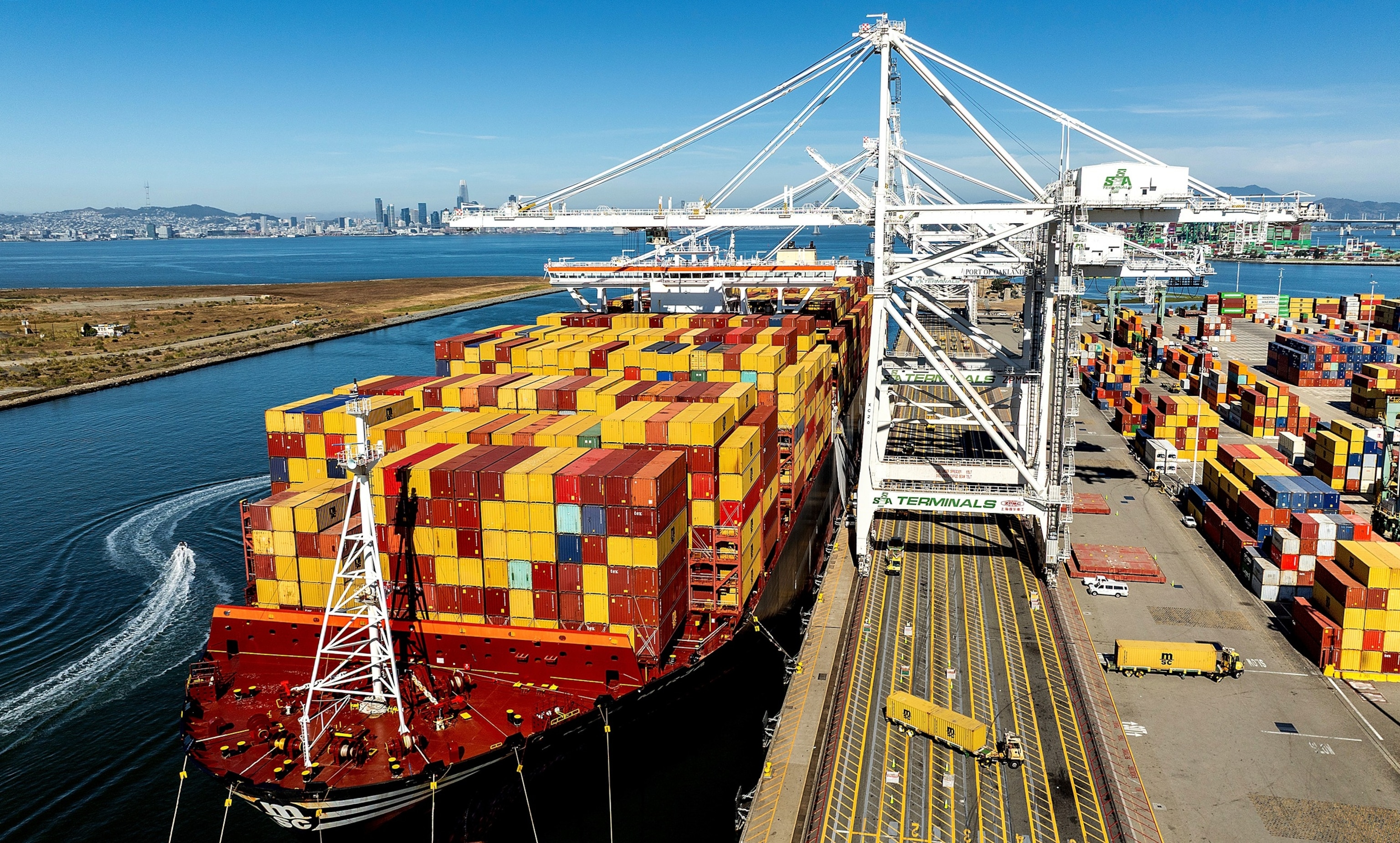
The United States has implemented a significant expansion of import tariffs affecting goods from numerous countries, marking a major shift in international trade policy. These measures, which went into effect this week, cover a wide range of products and represent one of the most substantial trade policy moves in recent years. The decision continues an ongoing trend of using tariffs as a primary tool for economic and foreign policy objectives.
This newest set of trade limitations builds on former tariff strategies implemented in past years, yet with broader range and reach. Experts observe the initiatives seem to aim at safeguarding national sectors while promoting efforts to bring manufacturing back home. The duties impact both conventional manufactured items and new tech products, illustrating the evolving dynamics of international supply networks and market rivalry.
Countries throughout Europe, Asia, and North America are now encountering these fresh trade barriers. The wide range of impacted countries indicates a methodical strategy instead of focusing on particular bilateral ties. Trade specialists note that this signifies a shift away from the traditional free trade practices that have directed global commerce for many years.
The economic impact of these tariffs will likely unfold gradually as businesses adjust their supply chains and pricing strategies. Initial reactions from affected industries have been mixed, with some domestic manufacturers welcoming the protection while import-dependent businesses express concern about increased costs. Consumer advocates warn that these measures may eventually lead to higher prices for certain goods, though the full effect won’t be immediately apparent.
The global reaction has unsurprisingly been negative, with multiple trade allies already revealing strategies for countermeasures. This back-and-forth situation is causing worry among economists regarding the possibility of increasing trade conflicts. Past examples indicate that these kinds of trade disagreements can occasionally result in wider economic effects if not handled with caution.
The setup of the tariff system seems to have been crafted with several goals in sight. Certain categories endure notably elevated charges, hinting at intentional efforts to shield or encourage specific local sectors. Meanwhile, other goods are subjected to comparatively softer hikes, reflecting a more sophisticated strategy towards adjusting trade. This diversity highlights the intricate assessments involved in contemporary trade policy making.
Legal experts are examining whether these measures comply with international trade rules and existing agreements. Previous tariff actions have faced challenges in various dispute resolution forums, and these new measures will likely undergo similar scrutiny. The outcome of such challenges could influence how long these policies remain in effect and whether modifications become necessary.
For enterprises functioning in international markets, the tariffs introduce fresh compliance hurdles and strategic choices. Organizations now need to decide whether to take on the extra expenses, transfer them to customers, or restructure their supply chains. Bigger firms with a variety of operations may have greater leeway to adapt compared to smaller companies dependent on particular import routes.
The introduction of these tariffs aligns with wider conversations about globalization and economic independence. Numerous countries are reconsidering their reliance on external providers for essential products, a tendency hastened by recent worldwide upheavals. These trade initiatives can be perceived as a component of that broader reevaluation of how countries engage in global trade.
Investor responses have generally been restrained up to this point, indicating that market participants likely expected these changes. Nevertheless, some industries have experienced sharper shifts, mainly those directly influenced by the newly established trade restrictions. The future effects on the market will hinge on how these policy measures interplay with various economic elements in the forthcoming months.
As the global economy slowly rebounds from recent difficulties, these tariffs add another layer of complexity to an already intricate situation. Decision-makers will have to closely observe their impact, balancing local priorities with global relationships. The effectiveness of these actions will ultimately hinge on whether they provide the desired advantages without causing excessive unintended consequences.
These changes arise as traditional trade alliances and practices are being thoroughly reexamined. The recent tariffs could hasten current movements towards regional trade groups and different supply chain structures. The lasting impact of these shifts will rely on various elements, such as the reactions of trade partners and the realization of the anticipated economic advantages.
For customers, the tangible consequences might take a while to become fully evident. Although certain product categories might witness immediate price fluctuations, others could undergo more gradual changes as manufacturers modify their production and sourcing plans. The overall effect on family finances remains unclear and is expected to differ substantially among various income brackets and geographical areas.
The imposed tariffs bring to light significant considerations regarding the future path of global economic policy. As countries give more importance to economic security and internal stability, conventional methods of free trade are subject to increasing examination. These actions exemplify a way to harmonize open markets with national priorities, though they are definitely not the sole strategy available.
As the rollout commences, everyone participating will closely observe for both expected and unexpected outcomes. The upcoming months will offer important insights into the success of this strategy and if modifications might be necessary. In the intricate realm of international commerce, even significant alterations frequently constitute merely one play in a broader and continuous economic strategy game.