
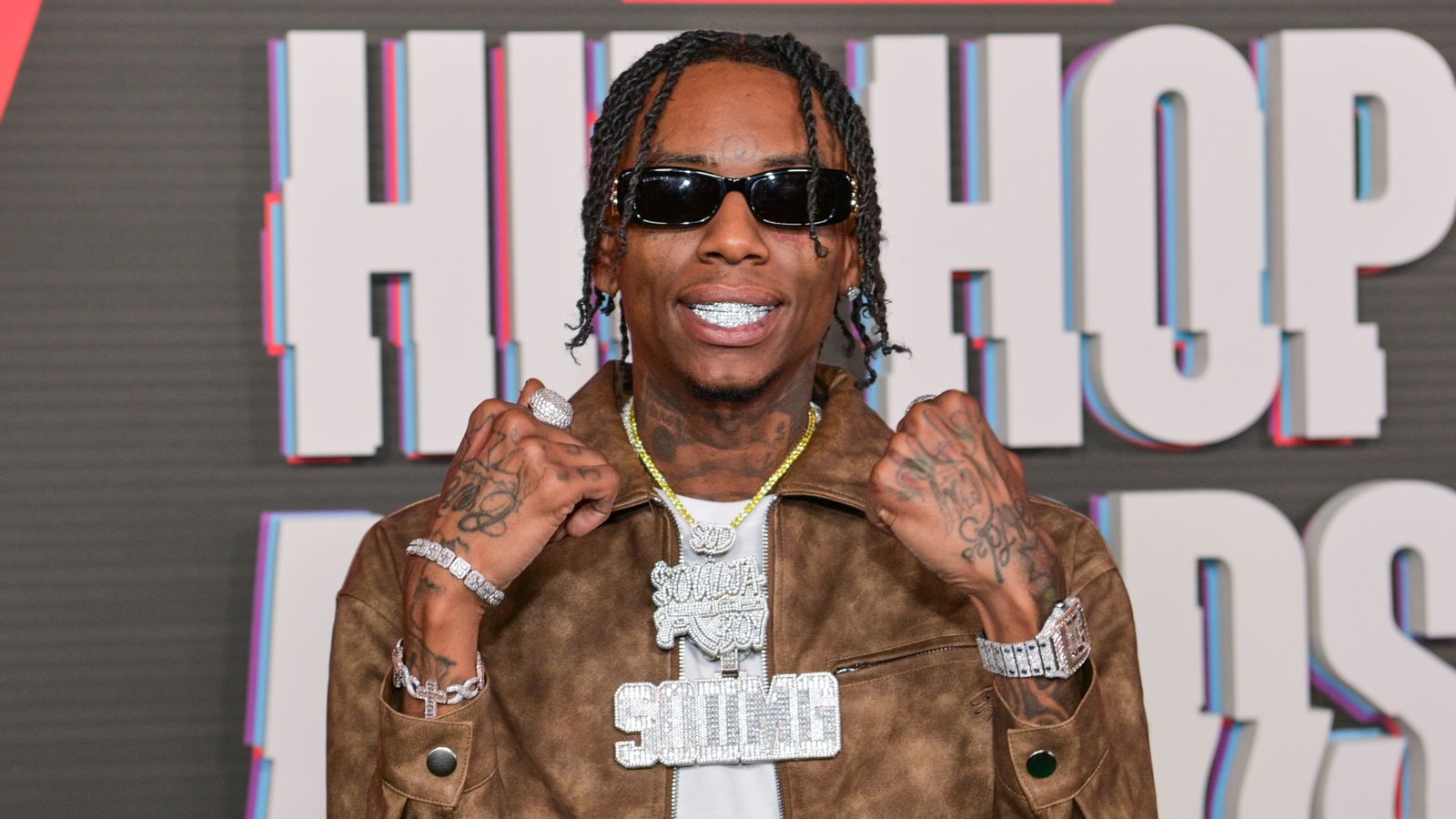
Rapper and entrepreneur Soulja Boy has had gun-related charges against him dismissed, marking the resolution of a legal situation that had been pending for several months. The development comes after prosecutors elected not to pursue the case further, though the specific reasons for this decision haven’t been made fully public. This legal outcome represents another chapter in the artist’s complex relationship with law enforcement, which has seen multiple incidents over his years in the public eye.
The initial arrest occurred earlier this year when authorities responded to a call regarding a possible domestic disturbance at one of the rapper’s properties. During their investigation, law enforcement officials reportedly discovered firearms on the premises. Given Soulja Boy’s prior legal history involving weapons, this led to serious charges being filed. Legal experts note that California’s strict gun laws make such situations particularly precarious for public figures, with mandatory minimum sentences often coming into play for repeat offenses.
The dropping of the charges doesn’t always mean that the weapons were owned legally; instead, it implies that the prosecutors concluded they couldn’t achieve a conviction or that continuing with the case wasn’t beneficial for the public. Such outcomes are not rare in cases involving celebrities, where difficulties with evidence or witness cooperation often occur. The rapper’s lawyers haven’t given a detailed comment on the dismissal, but insiders indicate they are satisfied with this resolution following lengthy discussions.
Soulja Boy, born DeAndre Cortez Way, first rose to fame as a teenager with his 2007 viral hit “Crank That,” which pioneered internet-driven music success. Now in his early 30s, he’s evolved into a multifaceted entrepreneur while maintaining his music career, though legal troubles have periodically surfaced. This pattern isn’t unique in hip-hop circles, where the combination of fame, wealth, and the cultural significance of firearms often creates complicated relationships with law enforcement.
Industry analysts point out that the conclusion of this case arrives at a crucial period for the artist, who has been focusing on creating new music and exploring business opportunities. Legal issues could disrupt creative flow and sponsorship chances, which makes this case’s dismissal notably important for his career path. The rapper has gained fame for his ability to transform, starting from his beginnings as a leader in dance trends to his latest moves in technology business and digital streaming.
The case also highlights broader conversations about celebrity justice systems and how high-profile individuals navigate legal challenges. While ordinary citizens might face different outcomes in similar situations, the visibility and resources available to celebrities often lead to distinct legal pathways. Some criminal justice reformers point to cases like this as examples of how the system functions differently based on status and access to high-powered legal representation.
For followers of Soulja Boy, the announcement provides comfort after months of unpredictability. Reactions on social media have varied, with fans rejoicing in the legal win while others skeptically ponder whether fame swayed the decision. This contrast mirrors ongoing cultural discussions about responsibility, privilege, and the functioning of the justice system for celebrities in comparison to regular individuals.
Looking ahead, the rapper appears focused on moving forward with his various projects. His career has demonstrated remarkable longevity in an industry known for short attention spans, and this legal resolution removes a significant obstacle to his continued evolution as an artist and businessman. While the specifics of the case’s dismissal remain somewhat unclear, the outcome undoubtedly marks a positive development for Soulja Boy as he works to maintain his place in the ever-changing entertainment landscape.
The situation also serves as a reminder of how quickly legal fortunes can change in the entertainment world. Where one week can bring damaging headlines, the next can see cases resolved favorably. For artists like Soulja Boy who have grown up in the public eye, these legal ebbs and flows become part of a larger narrative about fame, responsibility, and second chances. As he puts this chapter behind him, the focus now shifts back to his creative output and business ambitions in an industry that never stands still.