
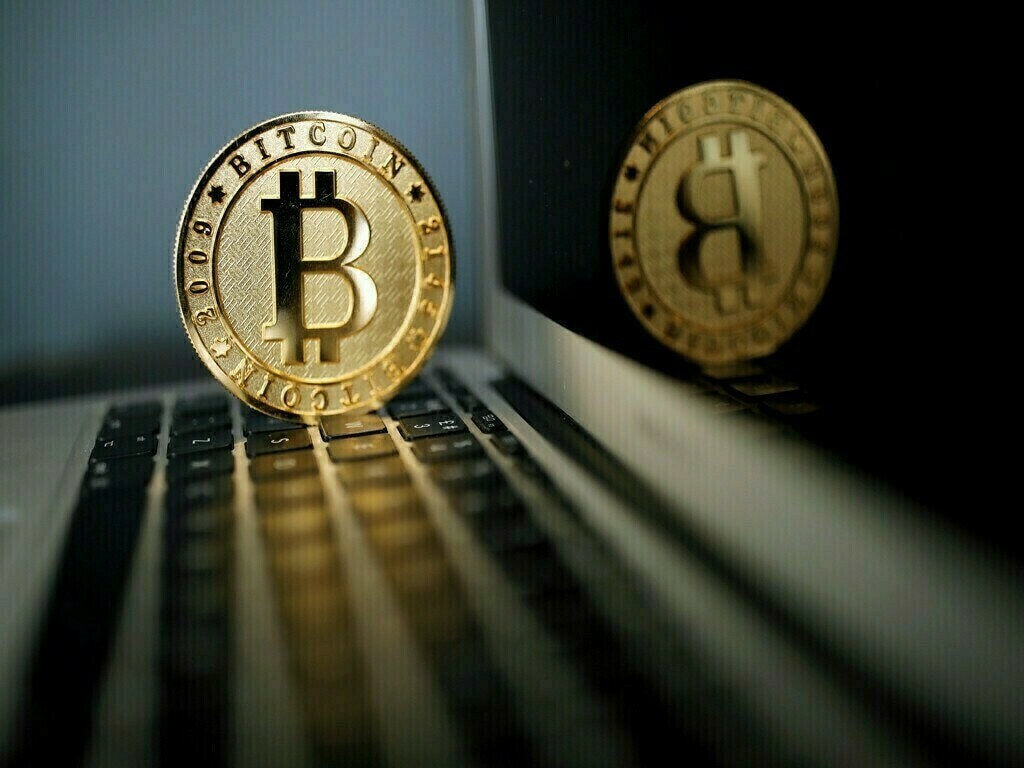
Bitcoin has achieved a new record peak, surpassing the $120,000 threshold for the first time ever. This digital currency, frequently regarded as a reference for the wider cryptocurrency sector, keeps attracting significant attention from both institutional and individual investors. It is driven by a combination of market confidence, economic variables, and growing acceptance in the mainstream.
This latest surge in value marks a significant moment for Bitcoin, which has seen its price fluctuate dramatically over the years. From early skepticism and regulatory pushback to its current standing as a widely traded financial asset, Bitcoin’s journey has been anything but conventional. The breach of the $120,000 threshold signals not only the resilience of the cryptocurrency but also its evolving role in global finance.
Market analysts attribute this upward momentum to several converging trends. One of the key drivers is growing institutional participation. Major financial institutions, asset managers, and even pension funds have started to allocate portions of their portfolios to digital assets, viewing them as a hedge against inflation and a potential source of long-term returns. This increased adoption has helped legitimize Bitcoin in the eyes of more conservative investors who previously remained on the sidelines.
Another factor contributing to the rally is the ongoing shift in global monetary policy. In an environment where interest rates remain relatively low and central banks maintain accommodative stances, investors have been seeking alternative assets that offer potential for higher yields. Bitcoin, with its fixed supply and decentralized nature, has become an attractive option in this context.
Sure, here is the rewritten text following your instructions:
Simultaneously, advancements in technology in the crypto ecosystem have helped boost trust among investors. Enhancements to the Bitcoin network, the rise of solutions built on top of existing frameworks, and the ongoing development of infrastructure related to cryptocurrencies have all supported the creation of a more developed and user-friendly market. Platforms providing safe storage, compliant trading settings, and high-level institutional offerings have facilitated the entry and presence of significant investors in the field.
Public opinion has evolved over the past few years. Bitcoin is not merely seen as a speculative item or niche hobby anymore; it is progressively being included in discussions regarding financial innovation, digital advancement, and global economic patterns. High-profile endorsements, wider media exposure, and participation from leading technology firms have all contributed to enhancing its visibility and credibility.
Even with the enthusiasm, a sense of caution lingers. Markets for digital currencies are recognized for their unpredictability, and price adjustments can be abrupt and intense. Regulations, especially in leading economies such as the United States, the European Union, and China, consistently affect the outlook. Authorities are still working on how to align innovation with protecting consumers, maintaining financial stability, and addressing issues related to money laundering.
There is also ongoing debate about Bitcoin’s energy consumption, a topic that has drawn criticism from environmental groups and scrutiny from governments. However, efforts are underway to address these concerns, including the use of renewable energy in mining operations and the exploration of more energy-efficient blockchain technologies.
For those holding onto their assets for an extended period, reaching the $120,000 mark serves as a confirmation of their investment belief. Numerous early supporters have claimed that Bitcoin’s limited supply and detachment from conventional financial institutions would ultimately result in wider acceptance and increased valuations. As Bitcoin reaches this new price zone, their forecasts are becoming more consistent with the actual market conditions.
Looking ahead, the future trajectory of Bitcoin will likely depend on a combination of factors: continued institutional adoption, evolving regulatory frameworks, and the asset’s ability to maintain relevance amid growing competition from other digital currencies and technological innovations. Ethereum and other altcoins are also drawing interest, particularly for their smart contract capabilities and decentralized finance applications.
Even with these variables, Bitcoin’s latest price achievement underscores its staying power. What began as a peer-to-peer electronic cash experiment has now become a fixture in financial markets, capable of influencing broader conversations about money, value, and trust in the digital age.
As observers and financial experts keep a close eye on future developments, the impact of Bitcoin’s ascent transcends price graphs. This landmark signifies a change in the perception and storage of value in today’s economy. Regardless of whether this climb maintains momentum or stabilizes, Bitcoin has already transformed the financial environment—gradually, block by block.