
What is a Complete Protein?
In the complex world of nutrition, the term complete protein frequently emerges as a crucial component of a balanced diet. As humans, proteins are indispensable to our existence, serving as building blocks for muscles, tissues, and cells. But not all proteins are created equal. Understanding what constitutes a complete protein is essential for devising a nutrition plan especially if pursuing fitness goals, maintaining muscle mass, or adhering to specific dietary restrictions.
Defining Complete Proteins
A complete protein contains all nine essential amino acids that the human body cannot produce on its own. These amino acids are histidine, isoleucine, leucine, lysine, methionine, phenylalanine, threonine, tryptophan, and valine. Foods that are complete proteins supply these amino acids in sufficient ratios, thus supporting bodily functions ranging from immune response to cellular repair.
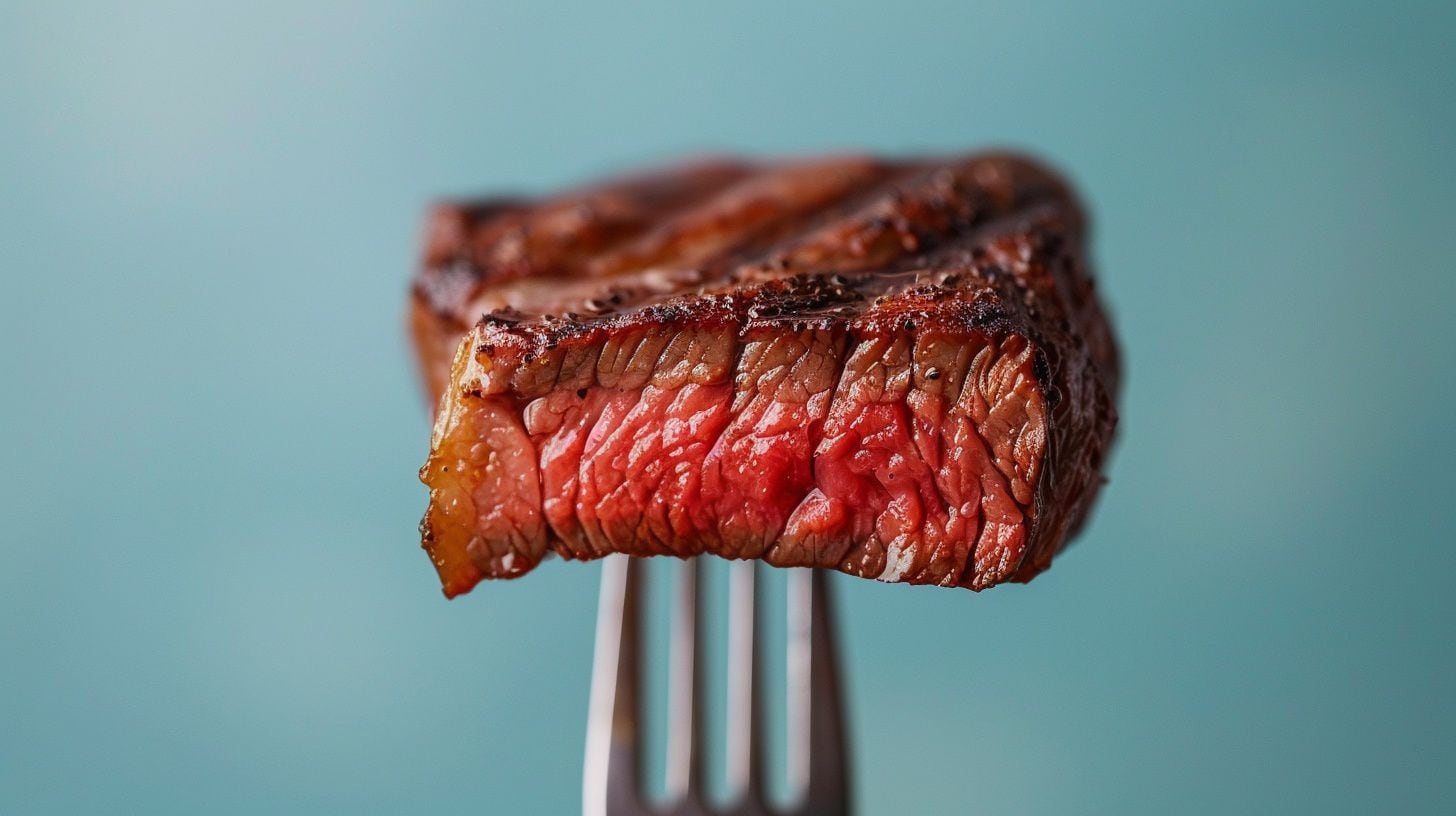
Animal products are traditionally seen as the hallmark providers of complete proteins. These include meats such as beef, chicken, and pork, as well as fish, eggs, and dairy products. Emphasizing the quality of the protein sources is vital; for instance, fish is not only a complete protein but also provides omega-3 fatty acids, beneficial for heart health.
Plant-Based Complete Proteins
While animal products are well-known for being complete proteins, plant-based sources can also fulfill such nutritional requirements. This aspect is critical for vegetarians and vegans, who seek to maintain protein intake without animal products. Quinoa and soy are exemplary plant-based complete proteins.
Quinoa, often lauded as a supergrain, contains all essential amino acids. Beyond that, it is rich in fiber, magnesium, and numerous vitamins. Soy products, such as tofu and tempeh, offer high-quality plant-based proteins alongside being versatile cooking ingredients adaptable to various cuisines. When included in a diet, these foods ensure vegans and vegetarians receive adequate amounts of essential amino acids.
Complementary Proteins
Intake of complete proteins is vital but can be challenging with a strict plant-based diet. However, the notion of complementary proteins assists in meeting amino acid requirements. By combining different plant-based foods, one can achieve a full amino acid profile. A classic example is the pairing of rice and beans. Individually, they lack certain amino acids but together, they provide a complete protein set. Such strategies are invaluable for those with limited access to diverse food sources.
The Significance of Consuming Protein in a Balanced Manner
A diet rich in complete proteins offers numerous health benefits, from supporting immune function to promoting fat loss and enhancing muscle growth. Studies indicate that protein intake can also contribute to satiety, assisting in weight management. However, it is important to distribute protein consumption throughout the day to maximize muscle protein synthesis. This approach ensures a steady supply of amino acids for repair and growth.
Dietary needs differ depending on various stages of life and levels of physical activity. For example, an athlete might need a higher intake of complete proteins to support muscle recovery compared to someone who lives a more sedentary lifestyle. Understanding individual requirements and adjusting one’s diet as necessary is essential for maintaining good health.
Considering the complex realm of proteins, their entirety serves as a fundamental pillar for wellness and energy. Incorporating a range of protein sources, whether from plants or animals, enables people to fulfill their dietary requirements efficiently. This holistic strategy for consuming proteins not only sustains the body but also enhances it, supporting every action, cognitive process, and inhalation with strong health.