
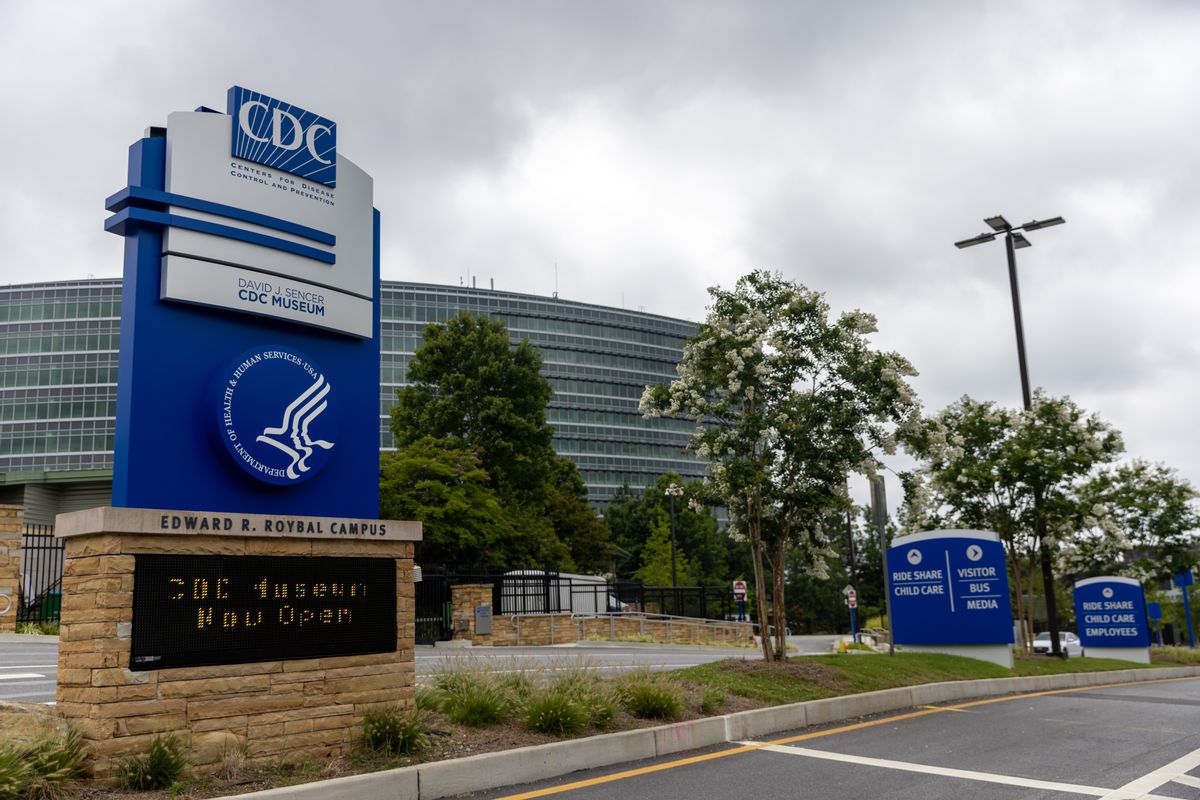
A significant change at the Centers for Disease Control and Prevention (CDC) has occurred, as an important official leading the advice on COVID-19 vaccines has declared their resignation. This move happens as public health organizations are managing the intricacies of vaccine deployment and operations as part of the continuous fight against the pandemic. The resignation prompts concerns about stability and leadership while the agency persists in tackling the difficulties brought on by COVID-19.
The official, who played a critical role in shaping vaccine policy and recommendations, has been a prominent figure during a pivotal period in public health. Their work included evaluating data, assessing vaccine efficacy, and providing guidance to healthcare providers and the public. As the pandemic evolved, so did the strategies surrounding vaccination, making the role even more significant in ensuring that vaccines reached those in need effectively and safely.
The recent resignation holds significant weight amidst the current dialogues on vaccine acceptance and reluctance. With multiple vaccines on the market and the appearance of new variants, it is essential for health authorities to provide unambiguous and steady communication to sustain public confidence. The exit of the official might leave a momentary gap in leadership, which could hinder attempts to effectively inform the public regarding the safety and success of vaccines.
The reasons behind the resignation have not been fully disclosed, but such transitions are not uncommon in high-pressure environments, especially within public health organizations. The challenges of managing a pandemic, coupled with the scrutiny of decision-making processes, can lead to significant stress and varying levels of support within the agency. As the CDC works to respond to evolving scientific data and public sentiment, changes in leadership can influence the trajectory of its initiatives.
Given this resignation, the CDC is anticipated to designate a new person who can assume the position with the essential knowledge and foresight. This changeover will be vital for sustaining the progress of vaccination campaigns, particularly as the organization keeps adjusting its approaches to address the requirements of varied groups. The newly selected individual must rapidly get acquainted with ongoing projects and new obstacles within the realm of vaccinations.
Experts in public health highlight the need for effective leadership in such crucial times. The competence of the CDC in delivering precise information and addressing public worries about vaccines plays a crucial role in building trust within communities. Maintaining the agency’s transparency and openness will be critical in the upcoming months as vaccination efforts proceed and new public health approaches are formulated.
The current health crisis has underscored the interrelation between health policy, community participation, and scientific investigation. As the CDC transitions in leadership, it is crucial to strengthen partnerships between federal, state, and local health agencies. A cohesive strategy can aid in successfully coordinating vaccination initiatives and making public health communications impactful for varied communities.
Looking ahead, the CDC faces ongoing challenges related to vaccine distribution and public perception. With the emergence of new variants and shifting public attitudes, the agency must remain agile in its response. The resignation of a key official underscores the need for adaptability and resilience within public health organizations as they confront the realities of a complex and evolving health crisis.
As the new leadership takes shape, stakeholders from various sectors, including healthcare providers, policymakers, and community organizations, will play a crucial role in supporting vaccination efforts. By working collaboratively, these groups can help to address barriers to vaccination and ensure that accurate information reaches those who need it most.
In conclusion, the resignation of a key CDC official overseeing COVID-19 vaccine recommendations marks a significant moment for the agency as it continues to respond to the pandemic. The transition in leadership presents both challenges and opportunities for maintaining effective vaccination strategies and public engagement. As the CDC prepares for the future, the importance of clear communication, collaboration, and strong leadership remains paramount in navigating the ongoing complexities of public health. The agency’s ability to adapt and respond to new developments will be critical in sustaining public trust and achieving successful vaccination outcomes across the nation.